In ecommerce and logistics, accuracy is everything.
A single mistake – wrong item, incorrect quantity, or delayed shipment—can break customer trust. As order volumes grow, maintaining accuracy manually becomes harder.
This is where automation comes into the picture.
Modern warehouses are shifting from human-dependent processes to system-driven operations powered by warehouse robots and intelligent workflows. The goal is simple: reduce errors while scaling efficiently without increasing operational complexity.
Why Fulfillment Errors Are Common in Manual Warehouses
Manual warehouses rely heavily on human effort. While flexible, they are not designed for high-speed, high-volume operations.
Common Fulfillment Errors
- Picking the wrong product
- Incorrect quantities
- Mislabeling shipments
- Orders sent to the wrong location
Why These Errors Happen
Manual work introduces variability:
- Fatigue from repetitive tasks
- Loss of focus during long shifts
- Communication gaps between teams
Even experienced workers make mistakes under pressure, especially during peak seasons or high-order volumes.
The Real Cost of Errors
These issues lead to:
- Increased returns and refunds
- Shipping delays
- Higher operational costs
- Poor customer experience
At scale, even a 1–2% error rate becomes a major problem. For instance, a warehouse processing 20,000 monthly orders could face hundreds of incorrect shipments, directly impacting margins and customer trust.
What Is Warehouse Automation?
Warehouse automation uses technology to perform tasks with minimal human involvement.
Core Components of Automation
- Conveyor and sortation systems
- Automated storage and retrieval systems (AS/RS)
- Inventory management software
- Sensors, scanners, and vision systems
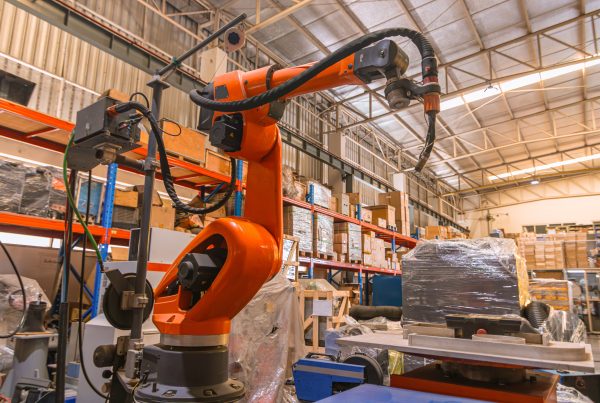
- Warehouse robots
Partial vs Full Automation
- Partial automation: Supports workers (e.g., barcode scanners, pick-to-light)
- Full automation: Machines handle most processes end-to-end
Automation does not remove humans completely. Instead, it shifts their role from manual work to system control and oversight, allowing teams to focus on exceptions rather than repetitive tasks.
This creates faster, more consistent operations.
How Warehouse Automation Reduces Picking and Packing Errors
Picking and packing are the most error-sensitive stages.
Automation introduces structure and validation at every step.
Guided Picking Workflows
Systems direct each action:
- What to pick
- Where to find it
- How much to pick
This removes guesswork and reduces reliance on memory or manual judgment.
Real-Time Validation
Technologies ensure accuracy:
- Barcode scanning confirms item selection
- Vision systems detect mismatches
- Sensors verify quantities
Role of Warehouse Robots
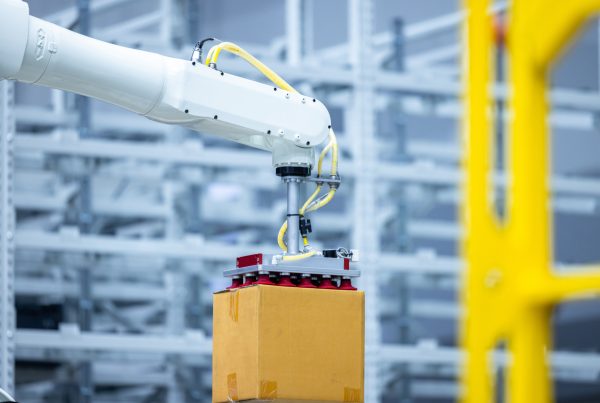
Warehouse robots handle repetitive picking tasks with high precision. They:
- Navigate storage locations
- Retrieve items
- Deliver them to the packing stations
This reduces human dependency and improves consistency.
Error Prevention at the Packing Stage
Automated checks ensure:
- Correct items are packed
- Orders are verified before shipping
Errors are caught early, not after delivery, which helps reduce returns and costly reprocessing.
The Role of Automation in Inventory Accuracy
Inventory accuracy is the foundation of error-free fulfillment.
Without it, even perfect picking systems fail.
Real-Time Inventory Tracking
Automation updates inventory instantly as items move.
This eliminates:
- Stock mismatches
- Manual entry errors
- Inventory delays
System Integration
Automation connects:
- Warehouse operations
- Inventory management systems
- Order processing tools
This creates a unified system with reliable data.
Reduced Human Handling
Warehouse robots minimize manual touchpoints. Fewer interactions mean fewer chances for mistakes.
The result is:
- Accurate stock levels
- Better demand planning
- Reliable order fulfillment
How Automation Improves Sorting and Order Routing Accuracy
Sorting becomes complex as order volumes increase.
Manual sorting often leads to bottlenecks and misrouting.
Automated Sortation Systems
Conveyors and sorting machines route items based on predefined logic.
Each item is:
- Scanned
- Identified
- Sent to the correct destination
Eliminating Manual Handoffs
Automation reduces reliance on manual transfers between zones.
This removes:
- Miscommunication
- Handling errors
- Delays
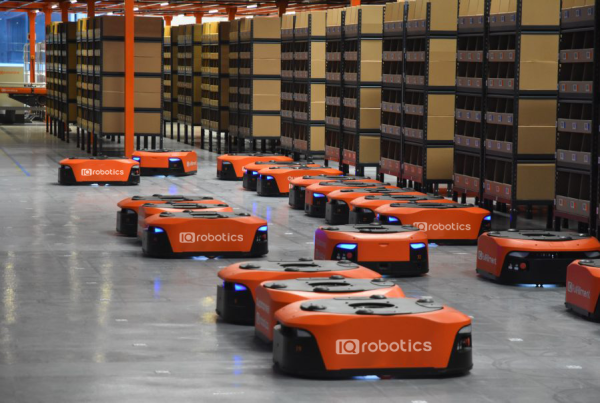
Smart Movement with Warehouse Robots
Warehouse robots transport goods efficiently across zones. They follow optimized paths and reduce congestion.
The outcome:
- Faster order flow
- Higher routing accuracy
- Improved warehouse efficiency
Automation vs Manual Fulfillment: Error Rate Comparison
Manual systems struggle with consistency.
Manual Warehouse Challenges
- Performance varies by worker
- Accuracy drops under pressure
- Errors increase during peak demand
Automation Advantage
Automation delivers:
- Standardized workflows
- Consistent performance
- Scalable accuracy
Businesses exploring warehouse automation solutions often do so to solve these exact challenges.
As order volumes grow, automated systems maintain accuracy without increasing error rates.
Warehouse robots ensure stable operations, even during peak seasons, something manual systems struggle to maintain.
Conclusion: Automation Turns Accuracy Into a Scalable Advantage
Warehouse automation is not just about speed. It is about control and consistency.
By standardizing processes, automation reduces errors across:
- Picking
- Packing
- Inventory management
- Sorting and routing
The benefits are clear:
- Fewer returns
- Higher customer satisfaction
- Lower operational costs
- Scalable fulfillment operations
In a competitive logistics environment, accuracy becomes a differentiator. Automation makes it sustainable at scale.
FAQs
What types of warehouse automation reduce fulfillment errors the most?
Automated picking systems, sortation systems, and real-time inventory tracking tools have the highest impact.
Does warehouse automation completely eliminate human involvement?
No. It reduces manual work but still requires human oversight and system management.
Can warehouse automation be implemented in existing facilities?
Yes. Many solutions are modular and can be integrated into current warehouse setups.
How long does it take to see accuracy improvements after automation?
Most warehouses see measurable improvements within weeks after implementation, depending on system complexity.