
E-commerce is moving faster than ever.
Customers expect quick deliveries, accurate orders, and real-time updates. At the same time, businesses are managing more SKUs and higher order volumes.
Manual systems struggle under this pressure.
This is why robotics-led fulfillment is becoming the new standard. It allows warehouses to operate with speed, precision, and consistency.
Beyond operational gains, robotics-led fulfillment also improves decision-making. Real-time data from automated systems gives businesses clear visibility into order flow and inventory movement.
Instead of relying on manual effort, modern operations are powered by intelligent systems and warehouse robots that handle critical tasks with minimal error, while maintaining consistent performance even as order complexity increases.
What Is Robotics-Led Fulfillment?
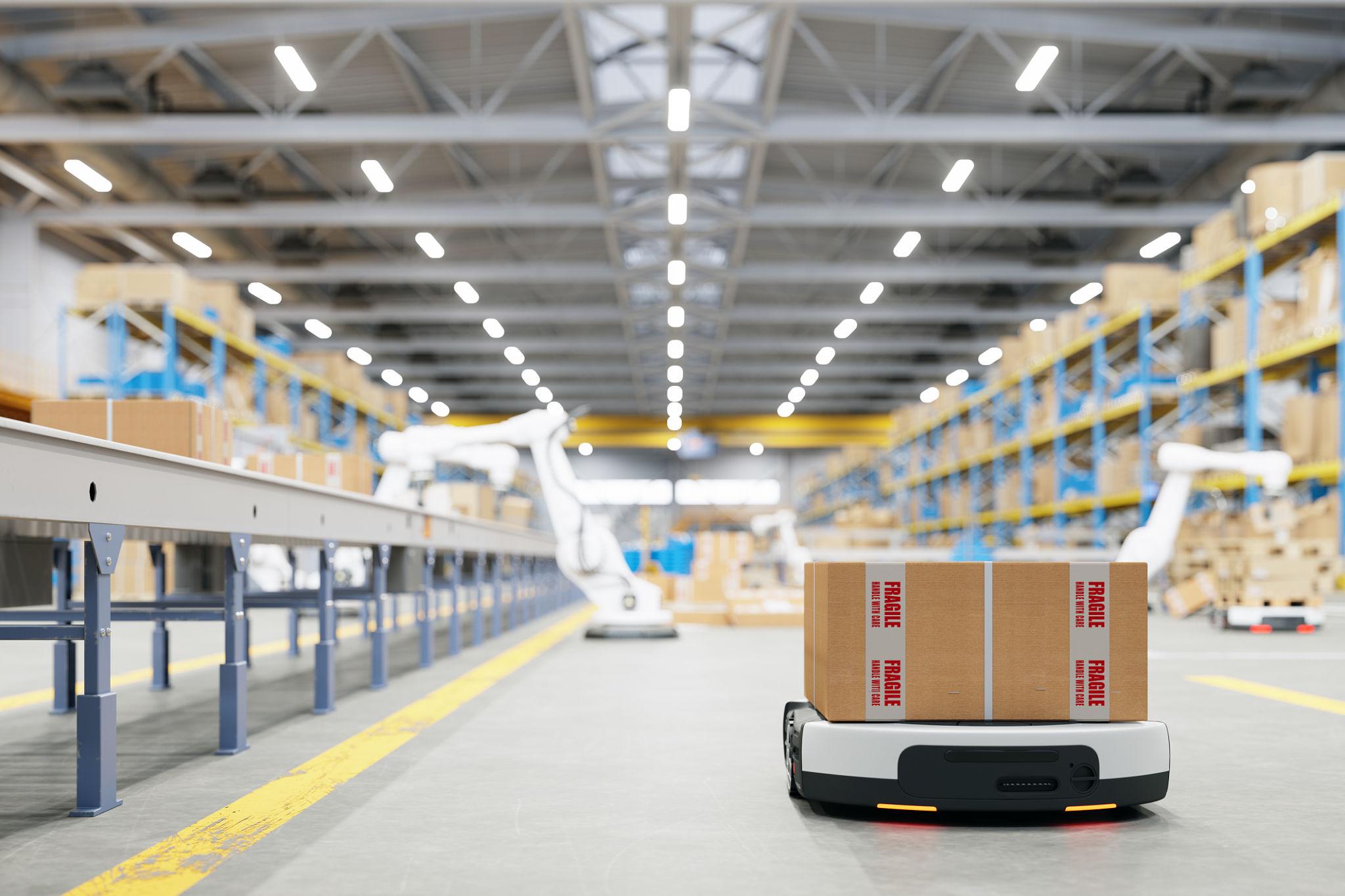
Robotics-led fulfillment uses automated systems and intelligent robots to manage core warehouse operations.
It goes beyond partial automation.
Definition and Key Difference
Partial automation supports human workers. Robotics-led fulfillment allows robots to perform tasks independently or with minimal guidance.
This includes:
- Picking and transporting items
- Sorting and routing orders
- Supporting packing workflows
Core Components of Robotics-Led Operations
A robotics-driven warehouse typically includes:
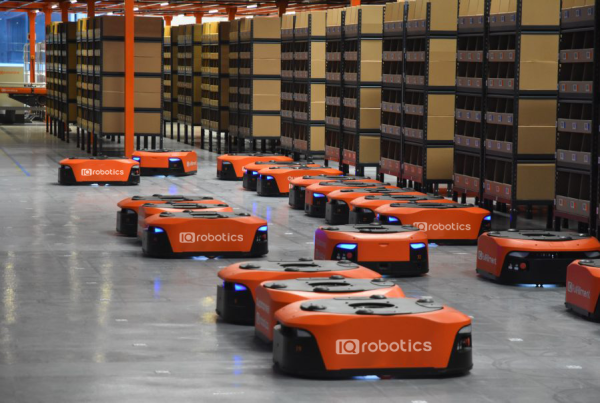
- Autonomous mobile robots (AMRs)
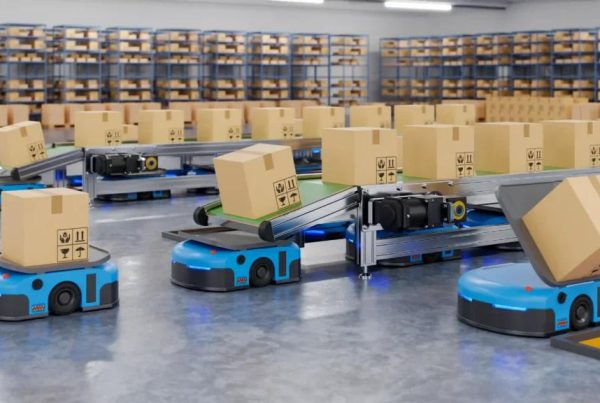
- Conveyor and sortation systems
- Sensors and vision technology
- Integrated warehouse management systems
These systems work together to create a seamless flow of goods.
Why Robotics Is Now Essential
Ecommerce growth demands speed and accuracy.
Robotics delivers both. It helps businesses scale operations while maintaining consistent performance.
This is why many companies are investing in order fulfillment robotics as a long-term strategy.Especially as SKU coins and multi-channel orders continue to grow.
Improved Order Accuracy Through Robotics
Accuracy is one of the biggest advantages of robotics-led fulfillment.
Reducing Human Errors
Manual picking and packing often lead to:
- Wrong item selection
- Incorrect quantities
- Misplaced shipments
Warehouse robots follow programmed instructions. This reduces variability and eliminates guesswork.
Precision Through Technology
Robotics systems use:
- Barcode scanners
- Sensors
- Vision systems
These tools validate every step of the process.
Errors are identified before orders leave the warehouse, rather than being discovered after delivery.
Impact on Customer Experience
Higher accuracy leads to:
- Fewer returns
- Better customer trust
- Improved brand reputation
In competitive markets, accuracy becomes a key differentiator.
Faster Order Processing and Shorter Fulfillment Cycles
Speed is critical in e-commerce fulfillment.
Accelerated Workflows
Robotics speeds up:
- Picking
- Sorting
- Packing
Warehouse robots can operate continuously without fatigue.
Reduced Manual Handoffs
Manual processes involve multiple touchpoints.
Each handoff increases the chance of delay or error.
Robotics minimizes these steps by streamlining workflows, creating a more direct and predictable order flow.
Meeting Delivery Expectations
With faster operations, businesses can:
- Offer same-day shipping
- Meet next-day delivery demands
- Handle urgent orders efficiently
This improves customer satisfaction and competitiveness.
Scalability Without Linear Labor Growth
Growth is a major challenge in manual warehouses.
Breaking the Labor Dependency
Scaling manually means hiring more workers.
This increases:
- Costs
- Training time
- Operational complexity
Robotics changes this model.
Handling Peak Demand Efficiently
During seasonal spikes or promotions:
- Order volumes rise sharply
- Manual systems struggle to keep up
Warehouse robots maintain performance regardless of volume.
Consistent Output at Scale
Robotics ensures:
- Stable processing speeds
- Predictable performance
- Minimal variation
For example, during major sale events, automated warehouses can maintain consistent throughput without the drop in accuracy or speed that typically occurs with temporary labor.
This allows businesses to scale without compromising quality.
Lower Operational Costs and Better Resource Utilization
Robotics-led fulfillment improves cost efficiency over time.
Many of these efficiencies are driven by advanced warehouse management software features that provide better control over inventory, workflows, and operational costs.
Reduced Labor Costs
Automation reduces reliance on large workforces.
This lowers:
- Hiring costs
- Training expenses
- Ongoing labor overhead
Minimizing Errors and Rework
Errors are expensive.
They lead to:
- Returns
- Repacking
- Customer service issues
Robotics reduces these costs by improving accuracy.
Optimizing Space and Resources
Robotics systems use space more efficiently.
They enable:
- Better storage layouts
- Faster movement of goods
- Reduced congestion
This improves overall warehouse productivity.
Enhanced Workforce Safety and Productivity
Robotics does not replace people. It supports them.
Reducing Physical Strain
Warehouse work can be physically demanding.
Robotics handles:
- Heavy lifting
- Repetitive tasks
- Long-distance movement
This reduces fatigue and injuries.
Improving Workplace Safety
Fewer manual tasks mean:
- Lower risk of accidents
- Safer working environments
Enabling Higher-Value Work
Employees can focus on:
- Monitoring systems
- Managing operations
- Improving processes
This increases productivity and job satisfaction.
Conclusion: Robotics-Led Fulfillment Is a Competitive Advantage
Robotics-led fulfillment is transforming e-commerce operations.
It delivers measurable improvements in:
- Accuracy
- Speed
- Scalability
- Cost efficiency
By integrating warehouse robots into operations, businesses can build systems that are reliable and future-ready.
This visibility helps teams act faster, identify performance gaps, and continuously optimize processes, something that is difficult to achieve in manual warehouse environments.
Investing in robotics is not just a technology upgrade. It is a strategic move toward long-term growth and operational excellence.
FAQs
What types of robots are used in robotics-led fulfillment?
Common types include autonomous mobile robots (AMRs), robotic arms for picking, and automated sortation systems.
Is robotics-led fulfillment suitable for mid-sized ecommerce brands?
Yes. Many solutions are scalable and can be implemented gradually based on business needs.
How does robotics-led fulfillment integrate with existing warehouse systems?
It integrates through warehouse management systems (WMS) and APIs, allowing smooth coordination between systems.
What is the typical ROI timeline for robotics-led fulfillment solutions?
Most businesses start seeing returns within 12–24 months, depending on scale and implementation.