
Why Scalability Is a Major Challenge in E-commerce Fulfillment
E-commerce growth often exposes the limits of labor-driven fulfillment. As order volumes increase, maintaining speed and accuracy becomes harder.
Scalability in e-commerce fulfillment means the ability to handle increasing order volumes without compromising performance. It includes maintaining fast processing times, accurate picking, and reliable shipping even as demand grows.
However, many brands face common challenges when scaling:
- Increased dependency on manual labor
- Higher error rates during peak periods
- Operational bottlenecks in picking and packing
- Difficulty in maintaining consistent throughput
Traditional warehouses struggle because they rely on linear scaling. This means more orders require more workers, more space, and more coordination. Over time, this approach becomes harder to sustain and significantly more expensive to manage.
According to a report by McKinsey, warehouses that rely heavily on manual labor can see productivity drop by up to 25% during peak periods due to congestion and fatigue—highlighting why traditional scaling methods often break under pressure.
This is where warehouse robots begin to change the equation.
What Role Robotics Plays in Scalable Fulfillment Operations
Robotics has become a core part of modern fulfillment environments. It transforms how warehouses operate by introducing automation into repetitive and time-sensitive tasks.
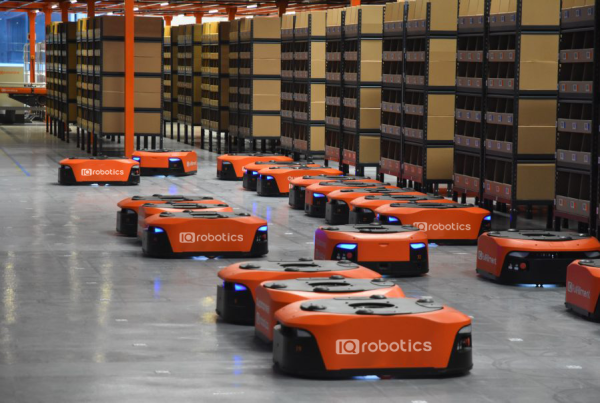
Instead of scaling through labor alone, robotics allows businesses to scale through systems. Robots handle picking, sorting, and transportation tasks with precision and speed.
The key difference between manual and robotics-led scalability is how growth is handled:
- Manual growth → Add more people and processes
- Robotics-led growth → Increase system capacity without complexity
With robotics, operations no longer depend on human speed or availability. This creates a more predictable and stable fulfillment environment, even during demand spikes.
As more brands adopt automated warehouse robots, they shift from reactive scaling to proactive, system-driven expansion.
How Robotics Enables Faster Throughput Without Bottlenecks
One of the biggest advantages of robotics is the ability to execute tasks in parallel.
In manual warehouses, processes often happen in sequence. Workers move from one task to another, creating delays and congestion. Robotics changes this completely.
Multiple robots can:
- Pick items simultaneously
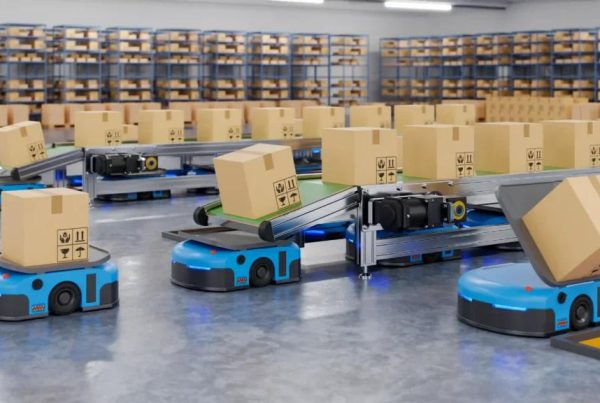
- Transport goods across zones
- Sort orders in parallel workflows
This significantly reduces bottlenecks across the warehouse.
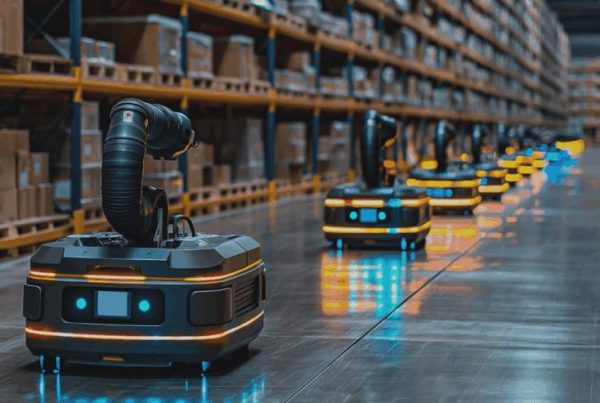
Robotics also eliminates congestion in high-traffic areas like picking aisles and packing stations. Instead of workers crossing paths or waiting on handoffs, robots follow optimized routes guided by software.
As order volumes grow, throughput remains consistent. Speed does not drop. Accuracy does not decline.
This is how warehouse robots help maintain performance even under pressure.
Flexibility of Robotics During Demand Fluctuations
E-commerce demand is rarely stable. It changes with seasons, promotions, and market trends.
Traditional warehouses struggle to adapt quickly. Hiring and training new workers takes time. Reducing the workforce during low demand creates inefficiencies.
Robotics offers flexibility.
Operations can scale up or down without workforce disruption. Additional robots can be deployed during peak demand. During slower periods, systems can operate at reduced capacity without waste.
This is especially valuable during:
- Seasonal sales
- Flash promotions
- High-demand product launches
Robotics ensures consistent performance during these spikes. There is no sudden drop in efficiency or spike in errors, which is often seen in manual setups.
With warehouse robots, scalability becomes dynamic instead of fixed.
Robotics and Software Integration for Scalable Control
Robotics alone is not enough. The real power comes from integration with warehouse management systems (WMS) and control software.
Modern fulfillment systems use real-time data to coordinate every movement inside the warehouse.
This includes:
- Task allocation based on priority and location
- Load balancing across robots and zones
- Real-time tracking of inventory and orders
Software ensures that robots are always working efficiently. It prevents idle time and reduces unnecessary movement.
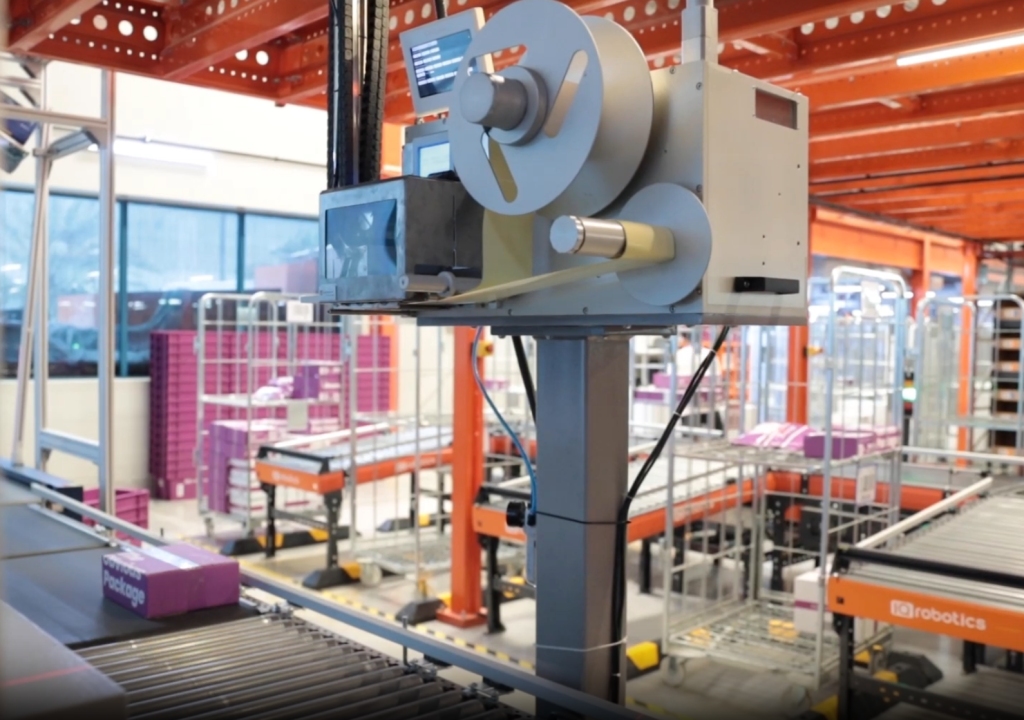
This level of coordination is similar to how advanced 3PL providers (like IQ Fulfillment) operate—combining automation with real-time visibility to maintain control at scale without increasing operational friction.
This level of control provides full visibility into operations. Managers can monitor performance, identify issues, and make adjustments instantly.
As volume increases, this system-driven coordination becomes essential for maintaining scalability.
Long-Term Growth Advantages of Robotics-Led Fulfillment
Robotics does more than solve immediate scaling challenges. It builds a strong foundation for long-term growth.
With robotics-led fulfillment, businesses can:
- Expand into multiple warehouse locations
- Support omnichannel operations
- Handle increasing SKU complexity
- Maintain consistent service levels
It also reduces operational risks. Dependency on labor decreases. Human error is minimized. Processes become standardized.
Over time, this leads to more predictable costs and smoother expansion into new markets or regions.
Companies that invest in robotics early are better prepared to handle growth without disruption.
Conclusion
Robotics is a key enabler of scalable e-commerce fulfillment. It allows businesses to grow without sacrificing speed or accuracy.
By replacing linear labor scaling with system-driven operations, robotics ensures consistent performance even as demand increases.
From faster throughput to flexible capacity and real-time control, robotics transforms how fulfillment works.
Ultimately, robotics-led fulfillment supports sustainable and long-term expansion in a highly competitive e-commerce environment.
FAQs
How does robotics help ecommerce brands scale faster?
Robotics enables parallel task execution, reduces dependency on labor, and improves operational efficiency. This allows businesses to handle higher order volumes without increasing complexity.
Can robotics support fulfillment growth without increasing labor costs?
Yes. Robotics reduces the need for additional workforce by automating repetitive tasks. This helps control labor costs while improving performance.
Is robotics scalable for both small and large ecommerce businesses?
Yes. Robotics systems can be implemented in phases. Small businesses can start with limited automation and expand as they grow.
How quickly can robotics be scaled during peak demand periods?
Robotics systems can scale quickly by adding more units or optimizing workflows through software. This makes them ideal for handling sudden demand spikes.