
Why E-commerce Warehouses Rely on Picking and Sorting Robots
E-commerce fulfillment has become more complex than ever. Customers expect fast delivery, accurate orders, and real-time updates, which puts increasing pressure on warehouse operations.
Manual processes struggle to keep up.
As order volumes grow, warehouses deal with more SKUs, faster turnaround times, and higher expectations. Manual picking and sorting often lead to delays, errors, and inefficiencies.
Workers can only move so fast. Mistakes like wrong item selection or incorrect routing become common, especially during peak demand periods.
This is where automation changes the game.
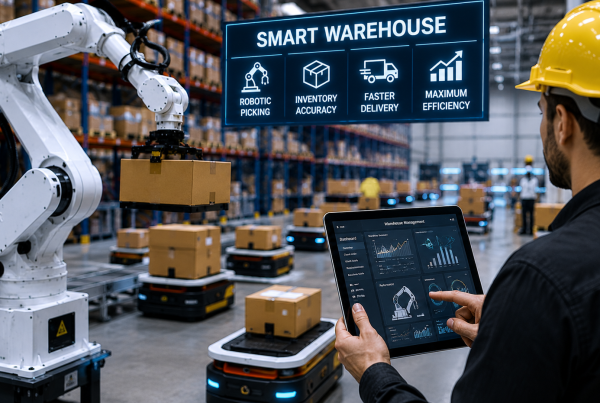
A picking robot enables warehouses to process high volumes with consistency. Robots do not tire, and they follow precise instructions every time. Sorting systems further ensure that each item reaches the right destination without manual intervention or confusion.
Together, these technologies create a streamlined fulfillment process that can scale with demand.
What Are Picking Robots and How Do They Work?
Picking robots are automated systems designed to locate, select, and retrieve items from storage locations in a warehouse.
They replace or support human pickers in repetitive tasks.
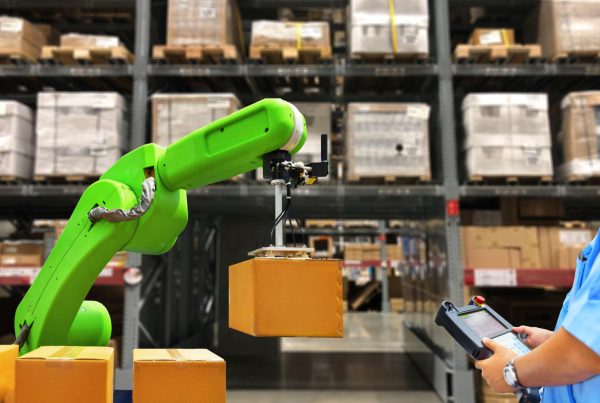
A picking robot typically uses robotic arms combined with computer vision and sensors. These systems can identify products, even in cluttered environments.
Here is how they work step by step:
- The warehouse management system (WMS) sends a picking request
- The robot identifies the item using vision systems or barcode scanning
- It calculates the best approach to grab the item
- The robotic arm picks the product using suction or grippers
- The item is placed into a bin or conveyor for the next stage
These robots can operate continuously and maintain high accuracy levels. Over time, they also improve through machine learning and data feedback.
What Are Sorting Robots and Automated Sortation Systems?
Sorting robots handle the next step after picking. Their job is to route items to the correct destination.
This could be based on order, delivery zone, or shipping carrier.
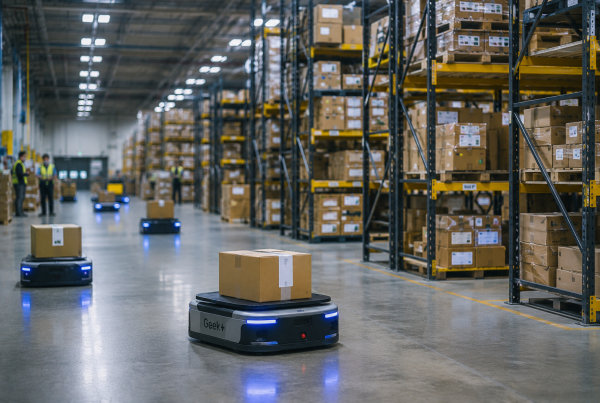
Automated sortation systems use conveyors, sensors, and software to direct items efficiently. A key component of this process is robotic sortation, where intelligent systems decide where each item should go.
Unlike manual sorting, robotic systems reduce human dependency. Workers no longer need to read labels and manually direct packages.
Instead:
- Items move through conveyors
- Sensors scan and identify them
- Systems assign the correct path
- Robots or diverters route items automatically
This ensures speed and accuracy, even during high-volume operations.
How Picking and Sorting Robots Work Together in Fulfillment
Picking and sorting are not separate processes. They are closely connected.
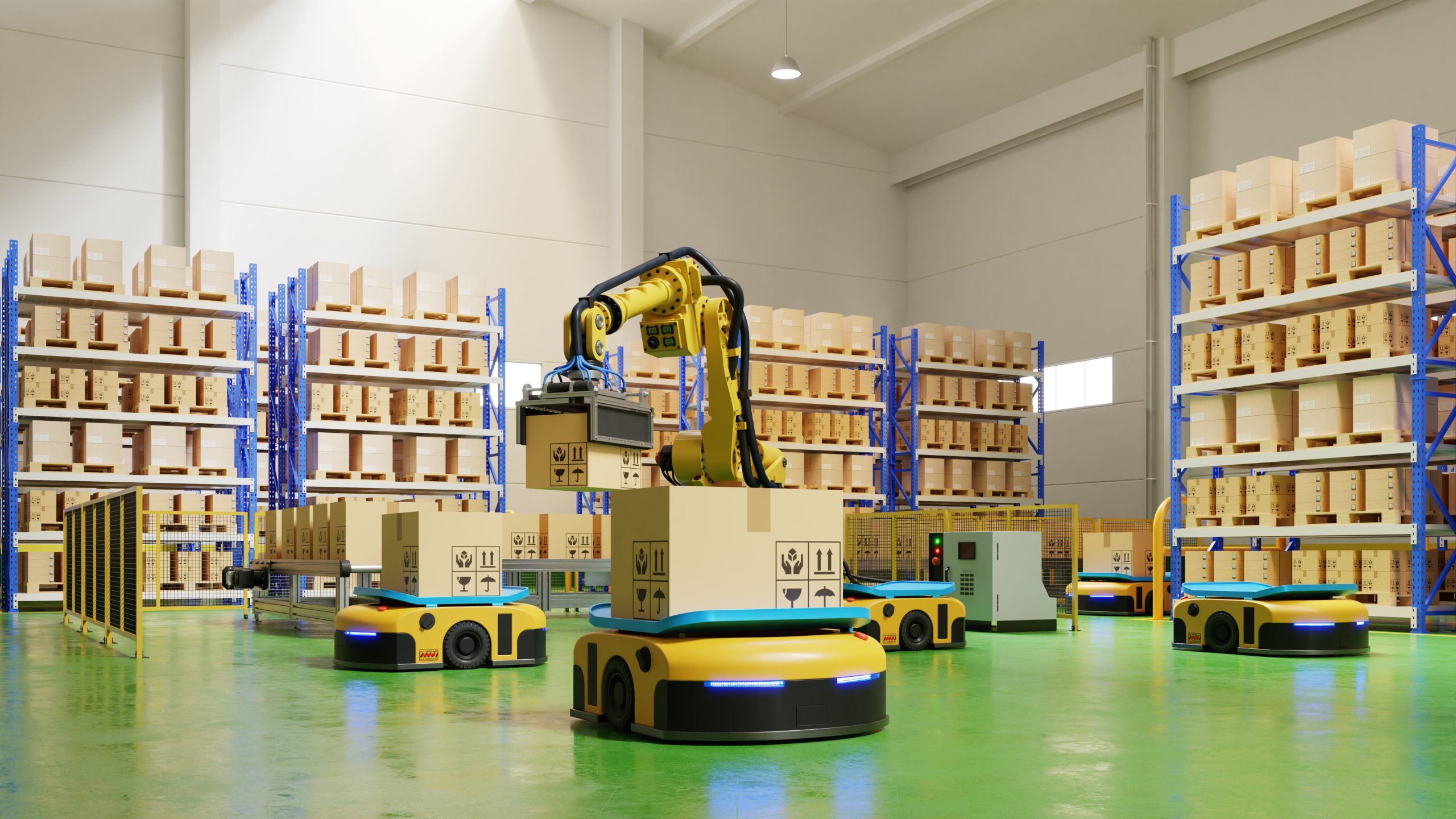
Once a picking robot selects an item, it transfers it to a conveyor or bin. From there, sorting systems take over.
This handoff is critical.
Warehouse software coordinates the entire process, with data flowing between systems in real time. Each item is tracked from storage to dispatch.
Here’s how the workflow looks:
- The picking robot retrieves the item
- The item is placed on a conveyor
- The sorting system scans and identifies it
- The system assigns the correct destination
- The item is routed to packing or shipping
When both systems are synchronized, errors drop significantly. Orders are completed faster, and throughput increases.
Technologies That Power Picking and Sorting Robots
Modern warehouse robotics relies on advanced technologies.
Computer vision plays a major role. Robots use cameras and AI models to recognize products, shapes, and barcodes.
Sensors help detect position, weight, and movement.
AI-driven decision-making allows robots to choose the best path and optimize picking sequences. This reduces travel time and improves efficiency.
Conveyor systems and automated sortation infrastructure connect everything, ensuring continuous flow without manual handoffs.
Together, these technologies enable seamless automation across the warehouse.
Benefits of Using Picking and Sorting Robots in E-commerce Warehouses
The impact of robotics in fulfillment is significant.
1. Faster order processing
Robots work continuously and reduce delays. Orders move quickly from picking to shipping.
2. Improved accuracy
A picking robot follows programmed instructions with precision. Reducing mis-picks and incorrect shipments.
3. Scalability during peak demand
During sales or festive seasons, warehouses can handle higher volumes without hiring large temporary teams.
4. Reduced operational costs
Automation lowers dependency on manual labor and minimizes costly errors.
5. Better workflow consistency
Robots maintain the same performance level throughout the day. This ensures predictable output.
Conclusion
Picking and sorting robots are at the core of modern e-commerce fulfillment.
They handle repetitive, high-volume tasks with speed and precision, allowing warehouses to meet rising customer expectations more reliably.
Automation brings consistency. It reduces errors and improves operational efficiency.
As e-commerce continues to expand, robotics-led systems will become essential for sustainable growth. Many fulfillment providers adopting robotic automation in UAE warehouses are already seeing faster, more scalable fulfillment operations without adding operational complexity. Warehouses that adopt these technologies will be better positioned to scale and compete.
FAQs
What is the difference between picking robots and sorting robots?
Picking robots retrieve items from storage. Sorting robots route those items to the correct destination for packing or shipping.
Can picking and sorting robots work in existing warehouses?
Yes. Many systems are designed to integrate with existing layouts and warehouse management systems with minimal disruption.
How do automated sortation systems reduce fulfillment errors?
They use sensors and software to identify items and route them accurately, removing manual decision-making.
Are picking and sorting robots suitable for small e-commerce operations?
Yes. Scalable solutions are available, allowing smaller businesses to adopt automation as they grow.