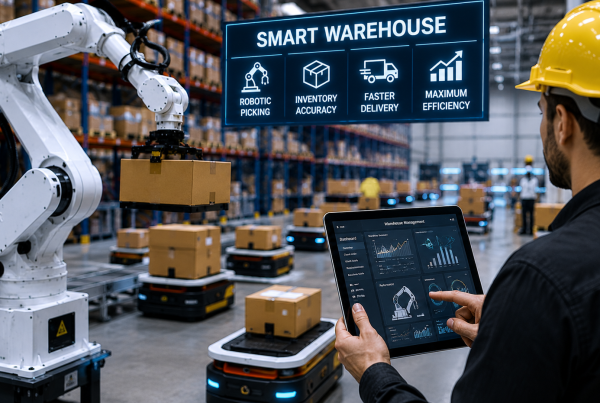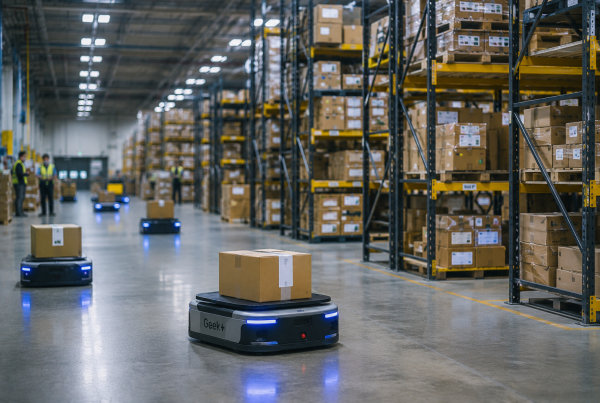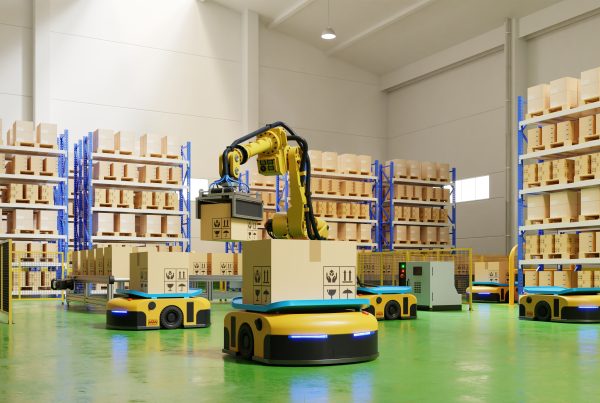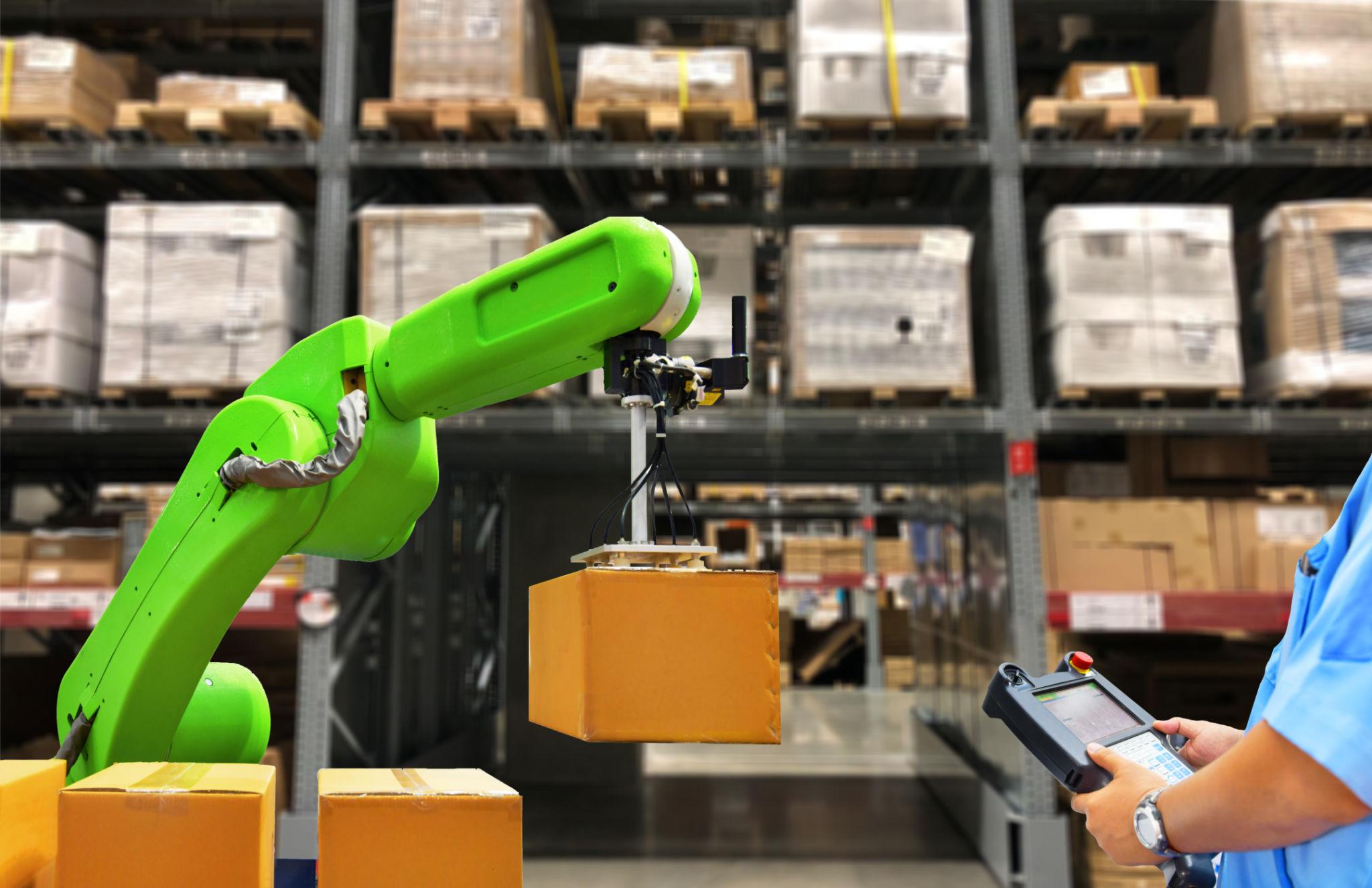

Warehouse operations are evolving faster than ever. Rising order volumes, same-day delivery expectations, labor shortages, and increasing operational costs are pushing companies to rethink how products move through fulfillment centers. One technology leading this transformation is robot arm sorting package systems.
Unlike traditional manual sorting methods, robotic sorting systems can identify, pick, sort, and place packages with high precision and speed. These systems are helping warehouses improve efficiency, reduce errors, optimize labor usage, and maintain smoother workflows across distribution operations.
As warehouse automation becomes a critical part of logistics infrastructure, robot arm sorting technology is no longer limited to massive enterprise facilities. Mid-sized warehouses, eCommerce fulfillment centers, and third-party logistics providers are also adopting intelligent robotic solutions to stay competitive.
In this blog, we will explore how robot arm sorting systems improve warehouse efficiency, where they are commonly used, and why businesses are increasingly investing in automated package sorting solutions.
What Are Robot Arm Sorting Systems?
Robot arm sorting systems are automated warehouse technologies designed to identify, pick up, move, and organize packages within a logistics or fulfillment environment.
These systems usually combine:
- Robotic arms
- AI-powered vision systems
- Conveyor integrations
- Barcode scanners
- Sensors
- Warehouse management software
The robotic arm detects incoming packages, determines the correct sorting location, and places the package accordingly. Advanced systems can sort based on:
- SKU
- Destination
- Package size
- Weight
- Shipping priority
- Carrier route
- Order type
Modern robotic sorting systems are designed to work continuously with minimal downtime, making them highly valuable in fast-moving warehouse environments.
Why Traditional Warehouse Sorting Creates Bottlenecks
Manual sorting processes often struggle to keep pace with growing order volumes. Human-dependent workflows can slow down warehouse performance, especially during peak seasons.
Some common challenges include:
Human Errors in Package Sorting
Manual sorting increases the risk of:
- Incorrect shipments
- Misplaced packages
- Wrong carrier allocation
- Inventory inaccuracies
Even small errors can lead to delivery delays, customer complaints, and higher return costs.
Slower Fulfillment Speed
Human sorting operations naturally slow down during:
- High-volume periods
- Night shifts
- Seasonal demand spikes
This affects shipping timelines and overall warehouse productivity.
Labor Shortages and Rising Costs
Warehouses globally face increasing labor shortages. Hiring and training workers for repetitive sorting tasks has become expensive and difficult.
Workplace Fatigue and Safety Concerns
Repetitive lifting, bending, and package handling can lead to worker fatigue and injuries. This impacts employee productivity and operational continuity.
Robot arm sorting package systems help solve these issues through automation and intelligent package handling.
How Robot Arm Sorting Packages Improve Warehouse Efficiency
Faster Package Processing Speeds
One of the biggest advantages of robotic sorting systems is speed.
Robotic arms can process hundreds or even thousands of packages per hour, depending on system design. Unlike manual teams, robots maintain consistent speed throughout the day without performance drops.
This helps warehouses:
- Reduce order backlogs
- Improve same-day shipping capabilities
- Increase throughput during peak demand
- Shorten fulfillment cycles
Faster package movement directly improves customer satisfaction and shipping reliability.
Higher Sorting Accuracy
Accuracy is critical in warehouse operations. A single sorting mistake can trigger multiple downstream issues, including returns, reshipments, and customer dissatisfaction.
Robot arm systems use:
- AI vision technology
- Barcode scanning
- Machine learning
- Real-time tracking
These technologies significantly reduce sorting errors.
Automated sorting also ensures packages are routed to the correct:
- Shipping lane
- Carrier section
- Storage zone
- Delivery batch
Improved accuracy lowers operational waste and minimizes costly shipping mistakes.
Reduced Labor Dependency
Warehouses are increasingly struggling with labor availability, especially for repetitive tasks.
Robot arm sorting systems reduce dependency on manual labor by automating high-volume package handling processes.
Instead of assigning workers to repetitive sorting tasks, businesses can shift employees toward:
- Quality control
- Inventory management
- Exception handling
- Customer service
- Warehouse supervision
This creates a more efficient workforce structure while reducing operational strain.
Better Warehouse Space Utilization
Traditional sorting operations often require large manual workstations and walking space for employees.
Robotic sorting systems can operate in more compact layouts. Automated systems help optimize warehouse floor usage through:
- Streamlined conveyor paths
- Vertical integration
- Reduced manual handling areas
- Intelligent routing systems
Efficient space utilization becomes especially valuable for warehouses operating in expensive urban locations.
Improved Operational Consistency
Human performance naturally varies due to fatigue, distractions, or shift changes. Robots, however, deliver consistent output throughout operations.
Robot arm sorting packages systems maintain:
- Uniform processing speed
- Stable sorting accuracy
- Continuous workflow efficiency
- Predictable operational performance
This consistency helps warehouse managers improve planning and resource allocation.
Real-Time Data and Tracking Visibility
Modern robotic sorting systems integrate with warehouse management systems (WMS) and logistics software platforms.
This integration provides real-time operational insights, including:
- Package movement tracking
- Throughput rates
- Error reporting
- Equipment performance
- Workflow bottlenecks
Real-time visibility allows businesses to make faster operational decisions and improve warehouse optimization strategies.
Enhanced Workplace Safety
Warehouse injuries can disrupt operations and increase insurance costs.
Robot arm sorting systems help reduce workplace risks by automating repetitive and physically demanding activities such as:
- Heavy lifting
- Repetitive reaching
- Constant package movement
- Fast-paced sorting line handling
Safer work environments also improve employee satisfaction and retention.
Scalability During Peak Seasons
Seasonal spikes can overwhelm manual sorting teams. During events like:
- Holiday shopping
- Promotional sales
- Flash deals
- eCommerce campaigns
Warehouses experience massive order surges.
Robotic sorting systems provide scalable automation that can handle fluctuating order volumes more effectively than manual operations alone.
This scalability helps businesses maintain delivery performance even during high-demand periods.
Industries Using Robot Arm Sorting Systems
Robot arm sorting packages technology is widely used across multiple industries.
eCommerce Fulfillment Centers
Online retailers use robotic sorting systems to process high volumes of customer orders quickly and accurately.
Third-Party Logistics (3PL)
3PL providers rely on automation to manage shipments from multiple clients efficiently.
Retail Distribution Warehouses
Retail chains use robotic systems to optimize inventory movement between distribution hubs and stores.
Parcel and Courier Facilities
Shipping companies use robotic package sorting to accelerate delivery operations.
Manufacturing Warehouses
Manufacturers use robotic sorting systems for component organization, packaging, and outbound logistics.
AI and Vision Technology in Robotic Sorting
Modern robot arm systems are becoming smarter through AI and computer vision technologies.
Advanced systems can:
- Detect package dimensions
- Identify damaged packages
- Recognize labels automatically
- Learn sorting patterns
- Adjust gripping methods
AI-powered robotics also improves over time by analyzing warehouse operational data.
This intelligence helps businesses create more adaptive and efficient warehouse ecosystems.
Key Features of Modern Robot Arm Sorting Systems
Businesses evaluating robotic warehouse automation should look for systems with:
Flexible Package Handling
The system should support multiple package shapes, sizes, and weights.
AI-Based Object Recognition
Advanced vision systems improve sorting precision and adaptability.
Seamless WMS Integration
Integration with warehouse software ensures better operational synchronization.
High-Speed Processing
Efficient systems should support fast package throughput without compromising accuracy.
Modular Design
Scalable systems allow businesses to expand automation as operational needs grow.
Challenges Businesses Should Consider
Although robotic sorting systems offer major advantages, businesses should also evaluate potential implementation challenges.
Initial Investment Costs
Automation systems require upfront investment in:
- Hardware
- Software
- Integration
- Infrastructure adjustments
However, long-term efficiency gains often justify the investment.
System Integration Complexity
Warehouses may need operational restructuring to integrate robotic workflows effectively.
Employee Training Requirements
Staff must learn how to manage, monitor, and maintain automated systems.
Ongoing Maintenance
Regular maintenance ensures long-term robotic system performance and reliability.
Proper planning can help businesses overcome these implementation challenges successfully.
The Future of Warehouse Automation
Warehouse automation will continue evolving rapidly as AI, robotics, and machine learning technologies improve.
Future robot arm sorting systems may include:
- Autonomous mobile robot integration
- Predictive maintenance
- AI-driven workflow optimization
- Smarter package recognition
- Fully autonomous fulfillment operations
Businesses adopting automation early are likely to gain stronger operational advantages in the long term.
Companies like IQ Robotics are contributing to the growing adoption of intelligent warehouse automation technologies that support scalable logistics operations.
Wrapping Up
Robot arm sorting package systems are reshaping warehouse operations by improving speed, accuracy, scalability, and workflow efficiency.
As warehouses face increasing pressure to fulfill orders faster while controlling operational costs, robotic sorting automation is becoming an essential part of modern logistics infrastructure.
From reducing labor dependency to enhancing package accuracy and operational visibility, robot arm sorting systems offer practical solutions for many warehouse challenges.
Businesses that invest in intelligent automation today are better positioned to build more resilient, scalable, and future-ready fulfillment operations.
FAQs
What is a robot arm sorting system in a warehouse?
A robot arm sorting system is an automated solution that uses robotic arms, AI vision, and sensors to identify, pick, and sort packages within warehouse operations efficiently and accurately.
How does robot arm sorting packages improve warehouse efficiency?
Robot arm sorting packages improves efficiency by increasing sorting speed, reducing manual errors, lowering labor dependency, and optimizing warehouse workflows for faster fulfillment operations.
Are robotic sorting systems suitable for small warehouses?
Yes, many modern robotic sorting systems are modular and scalable, making them suitable for small and mid-sized warehouses looking to improve operational efficiency.
What industries use robotic package sorting systems?
Industries such as eCommerce, logistics, retail distribution, manufacturing, and parcel delivery commonly use robotic sorting systems to streamline warehouse operations.
Do robot arm sorting systems reduce labor costs?
Robotic sorting systems help reduce repetitive manual labor requirements, allowing businesses to allocate employees toward higher-value operational tasks while improving productivity.
Can AI improve robotic warehouse sorting accuracy?
Yes, AI-powered vision systems help robotic sorting solutions identify packages more accurately, recognize labels, detect dimensions, and optimize sorting decisions in real time.