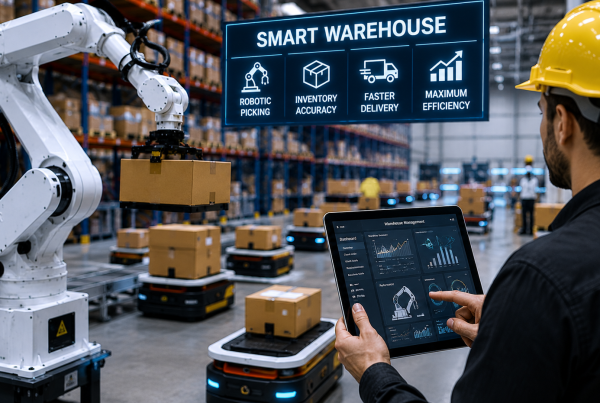

Modern industries are evolving faster than ever. Warehousing, logistics, ecommerce, manufacturing, and fulfillment operations now face growing pressure to deliver faster services while reducing operational costs. Businesses are also expected to maintain accuracy, improve scalability, and handle rising customer expectations without slowing down operations.
This is where industrial robotics is making a major impact.
Across the world, companies are investing in automation systems that improve efficiency, reduce manual dependency, and streamline daily operations. From autonomous mobile robots (AMRs) to AI-powered warehouse management systems, robotics technology is becoming a critical part of modern industrial infrastructure.
Today, leading industrial robotics companies are helping businesses create smarter and more connected operational environments. These solutions are no longer limited to large manufacturing plants. Warehouses, ecommerce brands, distribution centers, healthcare logistics, and retail operations are also rapidly adopting robotics to stay competitive.
In regions like the UAE and Dubai, automation adoption is accelerating quickly as industries prepare for long-term digital transformation.
Why Industrial Robotics Is Becoming Essential for Modern Industries
Industrial operations are becoming increasingly complex. Businesses now manage higher order volumes, faster delivery expectations, labor shortages, and rising operational expenses all at once.
Traditional workflows often struggle to keep up with these demands. Manual systems create delays, increase human error, and reduce overall efficiency. This has pushed industries toward robotics and intelligent automation.
The rise of AI has also transformed how automation systems operate. Modern robotics solutions can now analyze data, optimize workflows, and make real-time decisions with minimal human intervention. Warehouses can automatically manage inventory movement, identify operational bottlenecks, and improve fulfillment speed using connected robotic systems.
Smart warehousing is another major driver behind robotics adoption. Businesses want better inventory visibility, faster order processing, and scalable fulfillment capabilities. Robotics systems help achieve these goals while improving operational consistency.
The UAE and Dubai are emerging as major automation markets. Government-led innovation initiatives, rapid ecommerce growth, and increasing investment in logistics infrastructure are driving strong demand for robotics solutions across the region. Many businesses searching for industrial automation companies in Dubai are actively exploring robotics technologies to modernize their supply chains and warehouse operations.
What Industrial Robotics Companies Actually Provide
Many people associate industrial robotics only with robotic arms used in factories. However, modern robotics providers offer a much broader range of solutions designed for warehouses, logistics hubs, fulfillment centers, and industrial facilities.
Warehouse Automation Systems
Warehouse automation systems help businesses streamline inventory movement, order fulfillment, and storage operations. These systems reduce manual handling while improving operational speed and efficiency.
Automation software also helps monitor warehouse activity in real time. Businesses gain better visibility into inventory flow, stock levels, and operational performance.
Autonomous Mobile Robots (AMRs)
AMRs are one of the fastest-growing robotics technologies in modern warehouses.
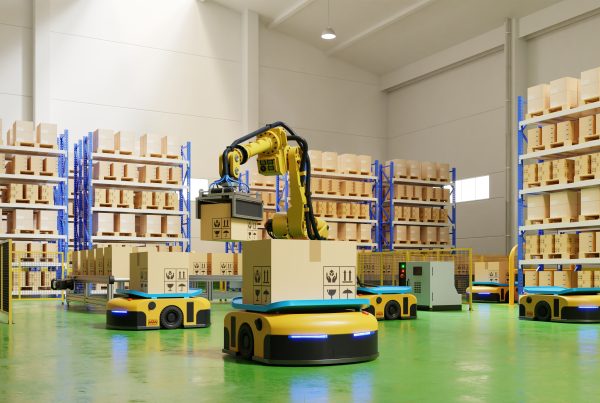
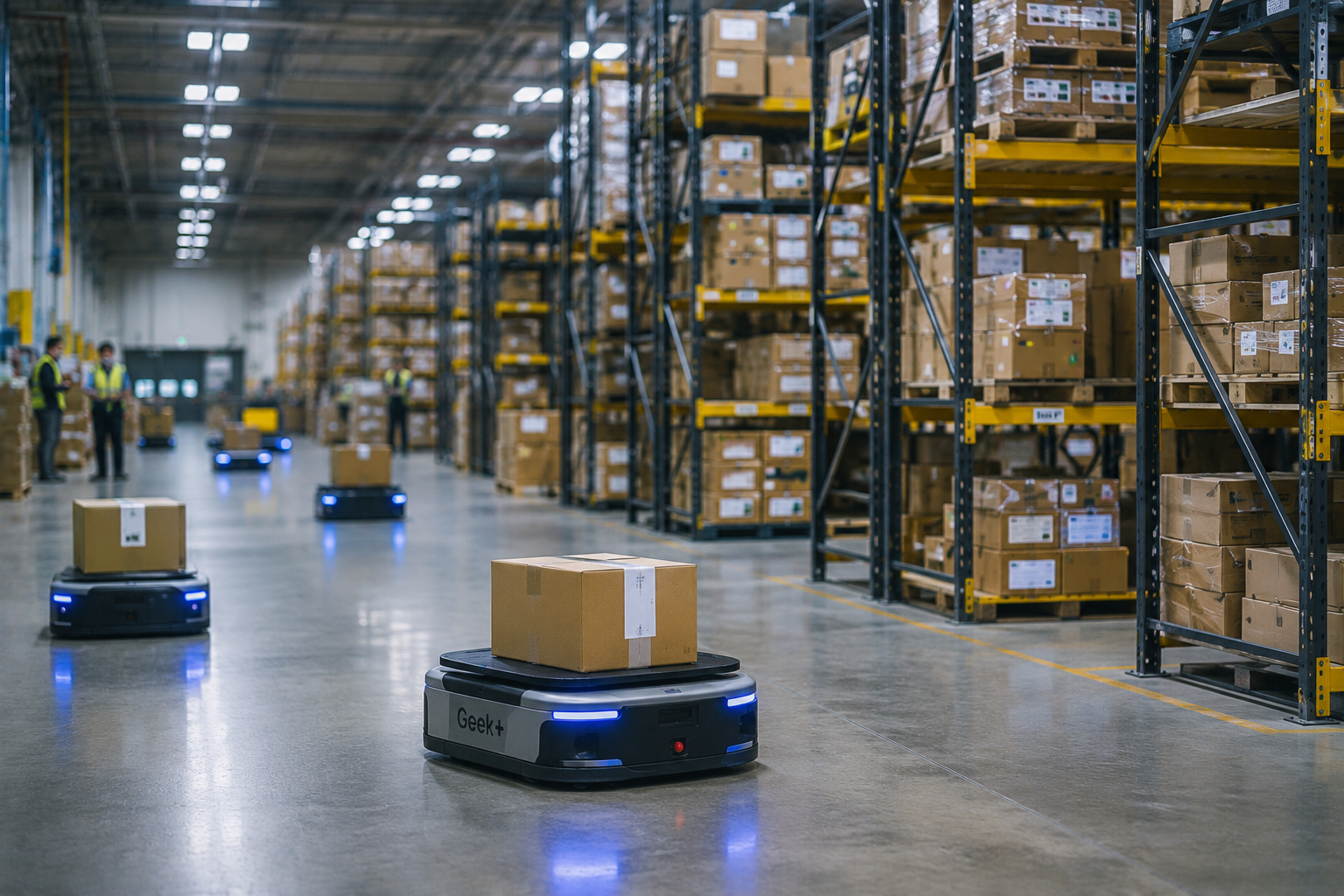
These robots can move independently across facilities using sensors, AI, and mapping technologies. They transport goods, assist workers, and optimize warehouse movement without requiring fixed infrastructure.
Unlike traditional conveyor systems, AMRs provide flexibility and can adapt to changing warehouse layouts more efficiently.
Robotic Picking and Packing
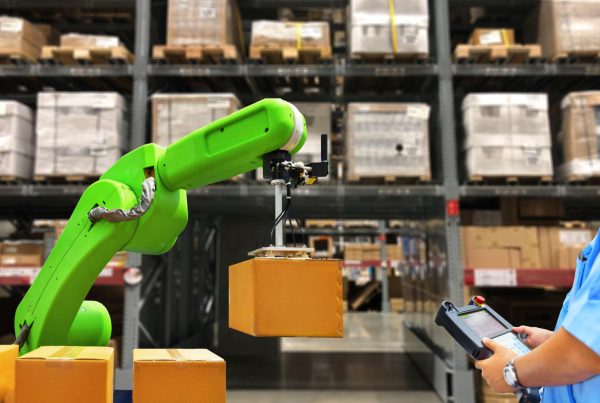
Picking and packing remain labor-intensive processes for many businesses. Robotics solutions now use AI-powered vision systems to identify products, sort items, and automate packaging workflows.
This improves order accuracy while reducing fulfillment time.
AI-Powered Inventory Management
AI-powered robotics systems can continuously monitor inventory movement and warehouse conditions. Businesses gain real-time insights into stock availability, storage optimization, and demand forecasting.
These intelligent systems help reduce inventory errors and improve operational planning.
ERP and WMS Integrations
Modern robotics solutions are designed to integrate with existing ERP and warehouse management systems (WMS). This creates a connected operational ecosystem where robotics, software, and warehouse infrastructure work together seamlessly.
Leading industrial robotics companies focus heavily on software compatibility because integration plays a critical role in long-term automation success.
Key Challenges Industrial Robotics Helps Solve
Industrial robotics is not simply about replacing manual work. It is primarily about solving operational problems that affect productivity, scalability, and profitability.
Labor Shortages
Many industries struggle to find and retain warehouse and logistics staff. Labor shortages create operational delays and increase costs.
Robotics systems help businesses maintain consistent operations even during workforce challenges.
Fulfillment Inefficiencies
Manual fulfillment processes often slow down warehouse performance. Delays in picking, sorting, and shipping affect customer satisfaction and operational output.
Automation improves workflow coordination and accelerates fulfillment speed.
Inventory Visibility Issues
Poor inventory visibility creates stock inaccuracies, delayed shipments, and operational confusion.
Robotics systems combined with AI analytics provide real-time inventory tracking and smarter warehouse monitoring.
Scalability Challenges
As businesses grow, operational complexity increases. Scaling manual workflows can become expensive and difficult to manage.
Robotics systems allow businesses to scale operations more efficiently without significantly increasing labor dependency.
Rising Operational Costs
Warehousing and logistics expenses continue to rise globally. Businesses are looking for long-term ways to improve productivity while controlling operational spending.
Industrial robotics helps reduce repetitive labor costs, minimize errors, and improve overall resource utilization.
Industrial Robotics Trends Reshaping 2026
The robotics industry continues to evolve rapidly. Several trends are expected to shape industrial automation in 2026 and beyond.
AI + Robotics Integration
AI is making robotics systems smarter and more adaptive. Modern robots can now process operational data, optimize workflows, and improve decision-making automatically.
This combination of AI and robotics is creating more intelligent warehouse ecosystems.
Rise of Autonomous Mobile Robots
AMRs are becoming increasingly popular because of their flexibility and scalability. Businesses prefer automation systems that can adapt to changing operational environments without major infrastructure changes.
AMRs are expected to play a major role in future warehouse automation strategies.
Human-Robot Collaboration
Modern robotics systems are designed to work alongside human employees rather than fully replace them.
Collaborative robotics improves worker productivity while allowing businesses to maintain flexible operations. Human workers can focus on higher-value tasks while robots handle repetitive workflows.
Robotics-as-a-Service (RaaS)
Many businesses now prefer subscription-based robotics models instead of large upfront investments.
RaaS allows companies to access automation technology with lower initial costs and greater operational flexibility.
Sustainable Automation Systems
Sustainability is becoming a major business priority. Robotics systems help optimize energy usage, reduce waste, and improve resource efficiency across warehouse operations.
As sustainability goals become more important, automation will continue supporting greener industrial operations.
Benefits of Industrial Robotics for Businesses
Businesses adopting robotics solutions often experience significant improvements across multiple operational areas.
Faster Operational Efficiency
Robotics systems automate repetitive tasks and streamline warehouse movement. This improves workflow speed and reduces processing delays.
Improved Accuracy and Productivity
Automation minimizes human error during picking, sorting, and inventory management. Businesses can achieve higher operational consistency and better fulfillment accuracy.
Lower Long-Term Operational Costs
Although automation requires initial investment, robotics systems often reduce long-term operational expenses by improving efficiency and lowering labor dependency.
Better Inventory Visibility
Real-time monitoring systems provide more accurate inventory insights. Businesses can make better operational decisions using live warehouse data.
Enhanced Workplace Safety
Robotics solutions reduce the need for workers to perform repetitive or physically demanding tasks. This helps improve workplace safety and reduce injury risks.
Scalable Fulfillment Operations
One of the biggest advantages offered by leading industrial robotics companies is scalability. Businesses can expand operations more efficiently without dramatically increasing workforce requirements.
How to Choose the Right Industrial Robotics Solution
Choosing the right robotics solution requires careful evaluation of operational goals and long-term business needs.
Evaluate Operational Requirements
Businesses should first identify the biggest operational challenges they want to solve. Some companies may prioritize inventory automation, while others focus on fulfillment optimization or warehouse mobility.
Understand Scalability Needs
Automation systems should support future business growth. Flexible and scalable robotics solutions are often more valuable in the long term.
Assess Software Compatibility
Robotics systems must integrate smoothly with existing warehouse software, ERP platforms, and operational infrastructure.
Strong software integration reduces implementation complexity and improves operational performance.
Compare Automation Flexibility
Some robotics systems offer more adaptability than others. Businesses should evaluate how easily solutions can adjust to changing workflows and operational environments.
Consider Long-Term ROI and Support
Automation is a long-term investment. Businesses should evaluate expected ROI, maintenance requirements, technical support, and future upgrade capabilities before selecting a provider.
Why the UAE and Dubai Are Becoming Robotics Innovation Hubs
The UAE is rapidly positioning itself as a global technology and automation leader.
Dubai’s logistics sector continues to expand as ecommerce, retail, and international trade grow across the region. This growth creates strong demand for smart warehousing and intelligent fulfillment systems.
Government-backed AI and innovation initiatives are also encouraging businesses to adopt advanced technologies. Automation investments are increasing across logistics, manufacturing, healthcare, and supply chain sectors.
The region’s focus on digital transformation is attracting both global technology providers and emerging automation startups. As a result, robotics adoption is accelerating across warehouses and industrial operations throughout the UAE.
Businesses are increasingly investing in AI-driven automation to improve operational efficiency, scalability, and competitiveness in a rapidly evolving market.
Conclusion
Industrial robotics is no longer a future concept. It is becoming a business necessity for companies looking to improve efficiency, scalability, and operational performance.
Modern automation systems help businesses solve major operational challenges, including labor shortages, fulfillment inefficiencies, rising costs, and inventory visibility issues.
As AI, robotics, and smart warehousing technologies continue evolving, automation will play an even larger role in shaping the future of logistics and industrial operations. Companies like IQ Robotics are helping businesses build faster, smarter, and more scalable operational ecosystems that support long-term growth and innovation.
FAQs
What are the top industrial robotics companies?
Top industrial robotics companies provide automation solutions for warehousing, logistics, manufacturing, and fulfillment operations. They offer technologies like autonomous mobile robots, robotic picking systems, and AI-powered warehouse automation.
How much does industrial robotics automation cost?
The cost of industrial robotics automation depends on warehouse size, automation requirements, and system complexity. Many businesses now choose scalable Robotics-as-a-Service (RaaS) models for lower upfront investment.
What are the benefits of industrial robotics in warehouses?
Industrial robotics improves warehouse efficiency, inventory accuracy, order fulfillment speed, and workplace safety. It also helps businesses reduce operational costs and scale logistics operations more effectively.
Which industries use industrial robotics the most?
Industries such as logistics, e-commerce, manufacturing, retail, healthcare, and warehousing use industrial robotics the most. These sectors rely on automation to improve productivity and streamline operations.
Why are industrial automation companies growing in Dubai?
Industrial automation companies are growing in Dubai due to rapid ecommerce growth, smart warehouse expansion, and increasing investment in AI-driven logistics and automation technologies across the UAE.