
Robotic picking system warehouse technology is rapidly changing the way e-commerce brands manage inventory, process orders, and meet growing customer expectations. As online shopping continues to expand, businesses are under pressure to deliver products faster, reduce operational errors, and maintain efficient warehouse operations without increasing costs.
Traditional warehousing models often struggle to keep up with modern ecommerce demands. Delayed order processing, manual picking errors, labor shortages, and inefficient inventory management can slow down fulfillment operations and negatively impact customer satisfaction. This is where smart warehousing solutions are becoming essential rather than optional.
From automated storage systems and AI-powered inventory tracking to robotic picking technologies, smart warehouses are helping ecommerce businesses streamline workflows and improve delivery speed. Companies investing in warehouse automation are seeing faster order fulfillment, better inventory accuracy, and improved scalability during peak shopping seasons.
In this blog, we’ll explore why smart warehousing solutions are critical for ecommerce fulfillment, how robotic warehouse systems work, and the key technologies shaping the future of logistics and supply chain operations.
The Growing Pressure on Ecommerce Fulfillment
Ecommerce has transformed customer expectations over the past few years. Consumers now expect same-day or next-day delivery, real-time order tracking, and seamless shopping experiences. Even a small delay in fulfillment can result in customer dissatisfaction and lost sales.
Warehouse operations have become one of the most important parts of the ecommerce supply chain. Businesses are expected to process thousands of orders daily while maintaining high levels of accuracy and efficiency.
Some of the biggest challenges ecommerce warehouses face today include:
- Increasing order volumes
- Labor shortages
- Inventory inaccuracies
- Slow picking and packing processes
- Rising operational costs
- Seasonal demand spikes
Traditional warehouse systems often rely heavily on manual labor, which can create bottlenecks during high-demand periods. Human errors in picking, sorting, and inventory management can also impact delivery timelines.
Smart warehousing solutions address these challenges by introducing automation, robotics, and intelligent warehouse management systems that optimize every stage of fulfillment.
What Are Smart Warehousing Solutions?
Smart warehousing refers to the use of advanced technologies to automate and optimize warehouse operations. These solutions combine robotics, artificial intelligence, machine learning, IoT devices, and warehouse management software to improve efficiency and accuracy.
Modern smart warehouses are designed to reduce manual intervention and create faster, data-driven workflows.
Some common smart warehousing technologies include:
- Robotic picking systems
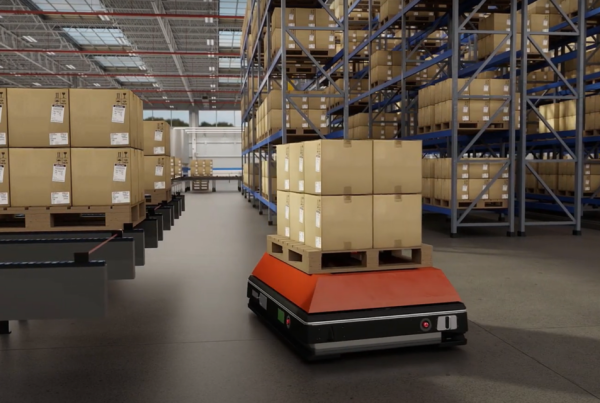
- Automated guided vehicles (AGVs)
- Warehouse management systems (WMS)
- AI-based inventory forecasting
- Automated sorting systems
- Barcode and RFID tracking
- Autonomous mobile robots (AMRs)
- Real-time analytics dashboards
These technologies work together to create a connected warehouse environment that improves fulfillment speed while minimizing operational costs.
How Robotic Picking Systems Improve Warehouse Efficiency
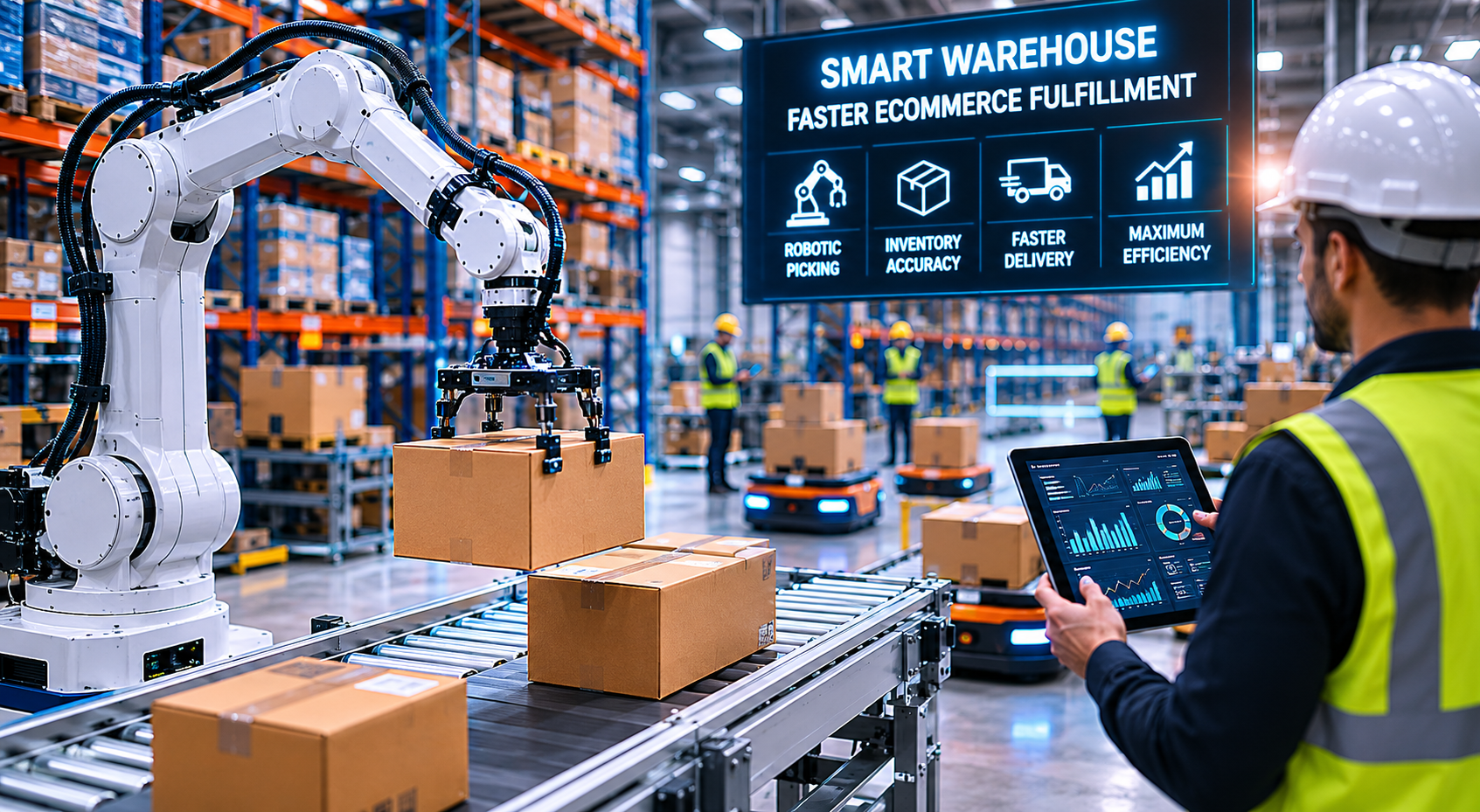
A robotic picking system warehouse setup is one of the most impactful advancements in ecommerce logistics. Picking is often one of the most time-consuming and labor-intensive warehouse tasks. Automated robotic picking systems help businesses process orders faster and with greater accuracy.
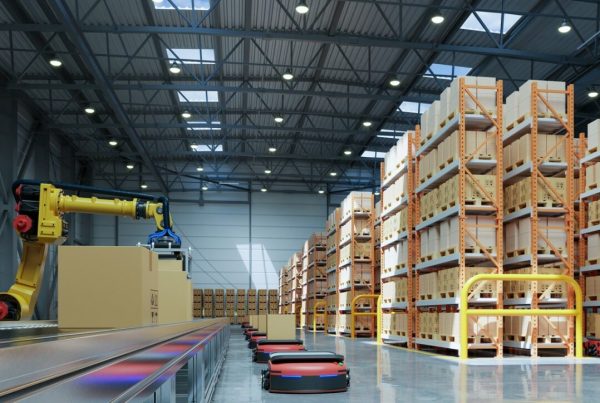
These systems use robotic arms, sensors, AI vision technology, and machine learning algorithms to identify, pick, and sort products automatically.
Faster Order Processing
Robotic picking systems can operate continuously without fatigue, allowing warehouses to process orders around the clock. This significantly reduces order fulfillment times, especially during peak shopping periods.
Unlike manual picking, robots can quickly locate products and optimize picking routes to improve speed.
Improved Accuracy
Human picking errors can lead to incorrect shipments, returns, and dissatisfied customers. Robotic systems use advanced scanning and AI technologies to ensure precise item selection.
Higher picking accuracy helps businesses reduce costly returns and improve customer trust.
Reduced Labor Dependency
Many warehouses struggle with labor shortages, especially during seasonal demand surges. Robotic picking systems reduce dependency on manual labor while allowing employees to focus on higher-value tasks.
This creates a more efficient workforce and improves operational consistency.
Better Warehouse Space Utilization
Automation systems can optimize storage layouts and reduce unnecessary movement within the warehouse. This allows businesses to maximize storage capacity while maintaining smooth workflows.
Why Faster Fulfillment Matters in Ecommerce
Delivery speed has become a major competitive factor in ecommerce. Customers increasingly choose brands that offer faster and more reliable shipping experiences.
Slow fulfillment can result in:
- Cart abandonment
- Negative reviews
- Higher customer churn
- Increased support requests
- Lower repeat purchases
Smart warehousing solutions directly improve fulfillment speed by streamlining warehouse operations and reducing delays.
Meeting Same-Day Delivery Expectations
As same-day and next-day delivery become more common, ecommerce businesses must optimize warehouse efficiency to stay competitive.
Smart warehouses help companies process orders faster and dispatch shipments quickly without compromising accuracy.
Supporting Business Scalability
Manual warehouse systems often struggle to handle sudden increases in order volume. Smart warehousing technologies provide scalability by automating repetitive processes and improving workflow efficiency.
This allows businesses to grow without constantly expanding warehouse labor teams.
Enhancing Customer Experience
Fast and accurate fulfillment improves customer satisfaction and encourages repeat purchases. Customers are more likely to trust brands that consistently deliver orders on time.
Efficient warehouse operations also reduce shipping errors and improve inventory visibility.
The Role of AI and Data Analytics in Smart Warehousing
Artificial intelligence is becoming a key driver of warehouse optimization. AI-powered systems analyze operational data in real time to improve warehouse decision-making.
Predictive Inventory Management
AI systems can forecast demand trends and help businesses maintain optimal inventory levels. This reduces stockouts and prevents overstocking.
Predictive analytics also improves purchasing decisions and warehouse planning.
Intelligent Route Optimization
Warehouse robots use AI to determine the most efficient picking and transportation routes. This reduces travel time inside the warehouse and speeds up fulfillment.
Real-Time Warehouse Monitoring
Smart warehouses provide real-time visibility into inventory, order status, and warehouse performance. Managers can quickly identify bottlenecks and improve operational efficiency.
How Automation Reduces Ecommerce Fulfillment Costs
While implementing warehouse automation requires investment, it often delivers long-term cost savings.
Lower Operational Costs
Automation reduces manual labor requirements and minimizes costly fulfillment errors. Businesses can process more orders with fewer resources.
Reduced Returns and Errors
Accurate robotic picking systems help reduce incorrect shipments and product returns. This lowers reverse logistics costs and improves profitability.
Energy and Resource Efficiency
Smart warehouses can optimize lighting, equipment usage, and warehouse movement to reduce energy consumption and operational waste.
Common Industries Benefiting from Smart Warehousing
Many industries are adopting smart warehousing technologies to improve logistics efficiency.
Retail and Ecommerce
Online retailers use robotic systems to manage large order volumes and improve delivery speed.
Healthcare and Pharmaceuticals
Automated warehouses help healthcare companies manage sensitive inventory with greater accuracy and compliance.
Food and Beverage
Smart warehousing supports temperature-controlled storage and faster inventory rotation for perishable goods.
Manufacturing
Manufacturers use warehouse automation to improve raw material handling and supply chain efficiency.
Future Trends in Smart Warehousing
Warehouse automation technology continues to evolve rapidly. Several emerging trends are shaping the future of ecommerce fulfillment.
AI-Powered Robotics
Future robotic systems will become more adaptive and capable of handling complex warehouse tasks with minimal human intervention.
Collaborative Robots (Cobots)
Cobots are designed to work alongside warehouse employees, improving productivity while maintaining workplace safety.
Autonomous Fulfillment Centers
Fully autonomous warehouses are becoming more realistic as robotics and AI technologies advance.
Sustainable Warehousing
Businesses are increasingly investing in energy-efficient automation systems to support sustainability goals.
Internal Warehouse Optimization Strategies
Businesses implementing smart warehousing solutions should also focus on operational optimization.
Some effective strategies include:
- Improving warehouse layout design
- Using intelligent inventory categorization
- Implementing real-time inventory tracking
- Reducing unnecessary warehouse movement
- Integrating warehouse management systems with ecommerce platforms
For businesses exploring automation technologies, solutions from companies like IQ Robotics can help improve warehouse efficiency and support long-term fulfillment scalability.
You may also explore related automation insights on the IQ Robotics Blog to understand how robotics and intelligent systems are transforming warehouse operations.
Wrapping Up
Robotic picking system warehouse technology is no longer just an innovation for large enterprises. It has become an essential part of modern ecommerce fulfillment strategies.
As customer expectations continue to rise, businesses need faster, smarter, and more scalable warehouse operations. Smart warehousing solutions help companies improve order accuracy, reduce operational costs, and process orders more efficiently.
From robotic picking systems and AI-driven analytics to automated inventory management, smart warehouses are shaping the future of ecommerce logistics. Businesses that invest in warehouse automation today are better positioned to handle growing order volumes, improve customer experiences, and remain competitive in the evolving ecommerce landscape.
FAQs
What is a robotic picking system warehouse?
A robotic picking system warehouse uses automated robots and AI-powered systems to pick, sort, and manage products inside a warehouse. These systems improve order accuracy and fulfillment speed while reducing manual labor requirements.
How do smart warehousing solutions improve ecommerce fulfillment?
Smart warehousing solutions automate repetitive warehouse tasks, optimize inventory management, and improve operational efficiency. This helps ecommerce businesses process orders faster and reduce fulfillment errors.
What technologies are commonly used in smart warehouses?
Smart warehouses often use:
- AI and machine learning
- Warehouse management systems
- Robotic picking systems
- RFID and barcode tracking
- Autonomous mobile robots
- Automated sorting systems
Can warehouse automation reduce operational costs?
Yes, automation helps reduce labor costs, minimize errors, improve inventory accuracy, and optimize warehouse workflows, resulting in long-term operational savings.
How does AI help in warehouse management?
AI helps warehouses predict inventory demand, optimize picking routes, monitor warehouse performance, and improve decision-making through real-time analytics.
What industries benefit most from smart warehousing?
Industries benefiting from smart warehousing include ecommerce, retail, healthcare, manufacturing, food and beverage, and logistics.