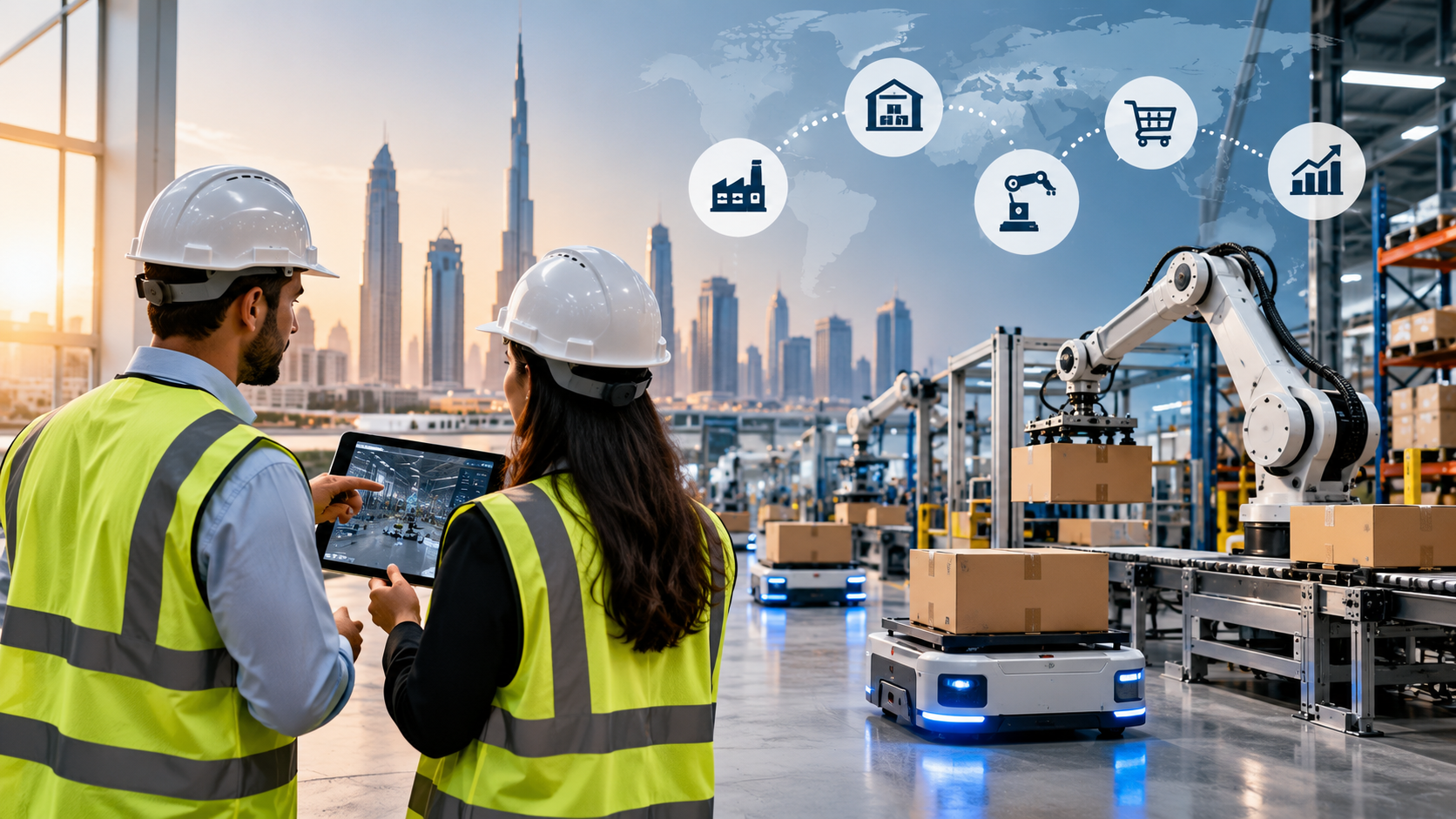

Top automation companies are changing how industries manufacture products, manage warehouses, and coordinate everyday operations. From robotic systems that move goods across distribution centers to intelligent software that monitors production lines, automation is becoming an essential part of modern business infrastructure.
For years, industrial automation was mainly associated with large manufacturing facilities. Today, its applications extend to e-commerce, logistics, healthcare, food processing, and many other industries. Businesses of different sizes are exploring technologies that improve productivity, reduce repetitive work, and help employees manage increasingly complex operations.
However, choosing the right automation provider requires more than comparing advanced machines or software features. Each company brings different capabilities, industry experience, and technical expertise.
This guide explores some of the leading automation companies, the technologies shaping industrial operations, and the factors businesses should consider before investing in automation.
Why Are Automation Companies Important for Modern Industries?
Automation companies help businesses improve operational processes through technologies such as industrial robots, control systems, artificial intelligence, and automated material handling equipment.
Traditional operations often depend on repetitive manual activities that can become difficult to manage as production volumes increase. Automation helps organizations standardize selected tasks and create more predictable workflows.
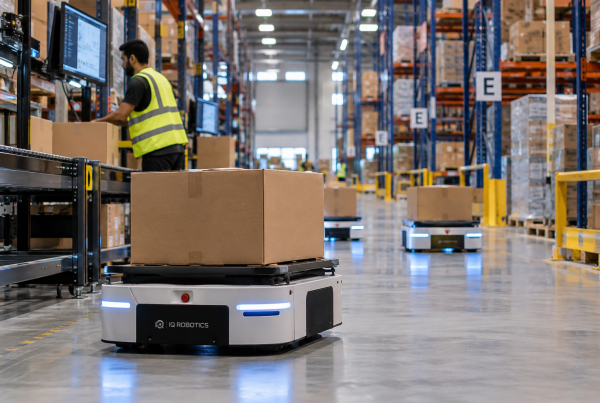
For example, a manufacturing facility may use robotic arms for repetitive assembly work, while a fulfillment center may introduce autonomous mobile robots to transport products between workstations.
The benefits are not limited to faster operations. Properly implemented automation can also improve process consistency, inventory visibility, workplace ergonomics, and resource utilization.
However, these outcomes depend on selecting technology that addresses genuine operational needs.
Top Automation Companies Leading Industrial Innovation
Top automation companies operate across different areas of industrial technology, including manufacturing robotics, warehouse automation, intelligent control systems, and digital infrastructure.
The following companies represent established and specialized participants in the automation industry. They are presented as examples rather than a performance-based ranking.
1. Siemens: Industrial Automation and Digital Manufacturing
Siemens is a major technology company known for industrial automation, digitalization, and manufacturing software.
Its automation portfolio includes programmable logic controllers, industrial communication technologies, control systems, and software used to manage complex production environments.
Siemens also supports digital manufacturing through technologies that connect equipment, operational data, and engineering processes.
For businesses, these solutions can help coordinate production activities, monitor equipment performance, and improve visibility across manufacturing operations.
The company is particularly relevant to industries requiring integrated automation across machinery, software, and production infrastructure.
2. ABB: Industrial Robotics and Electrification
ABB is widely recognized for its work in industrial automation, electrification, and robotics.
Its robotics technologies have been used in applications such as assembly, material handling, welding, and manufacturing operations.
ABB’s automation expertise also extends to industrial control systems and technologies designed to improve operational efficiency.
Industrial robots can perform repetitive movements with high consistency, making them useful for tasks that require controlled positioning and repeatable processes.
However, the suitability of robotic automation depends on production requirements, safety considerations, and the complexity of the task.
3. Rockwell Automation: Smart Manufacturing and Industrial Control
Rockwell Automation specializes in industrial automation and digital transformation technologies.
Its solutions include industrial control systems, automation software, connected manufacturing technologies, and operational analytics.
These tools help manufacturers monitor production processes, coordinate machinery, and collect information from connected equipment.
For example, manufacturing facilities may use automation platforms to track machine performance and identify operational interruptions.
Rockwell Automation is especially relevant to organizations seeking to connect production-floor equipment with broader business and information systems.
4. Schneider Electric: Energy Management and Industrial Automation
Schneider Electric provides technologies for energy management, industrial automation, and connected infrastructure.
Its industrial solutions include automation controllers, software platforms, and systems designed to support equipment monitoring and process control.
One important area of industrial automation is understanding how energy consumption relates to operational performance.
Connected systems can help businesses monitor equipment usage, identify inefficiencies, and make more informed decisions about resource management.
Schneider Electric’s portfolio is relevant to manufacturing facilities, infrastructure operators, and organizations seeking greater visibility into industrial energy use.
5. FANUC: Industrial Robots and Factory Automation
FANUC is a well-established company specializing in industrial robotics, factory automation, and computer numerical control technologies.
Its robotic systems are used in manufacturing activities such as welding, assembly, machine tending, and material handling.
Factory automation often involves tasks that must be performed consistently across thousands of production cycles.
Industrial robots can support these requirements by carrying out programmed movements with repeatable precision.
FANUC’s technologies are particularly relevant to manufacturers seeking to automate machine operations and repetitive production processes.
6. Honeywell: Connected Industrial and Warehouse Automation
Honeywell operates across several industrial technology sectors, including process automation, building technologies, and warehouse automation.
Its automation capabilities support applications such as industrial monitoring, operational control, material handling, and distribution center management.
Modern warehouses require coordinated movement between receiving, storage, picking, sorting, and dispatch.
Automated material handling systems can help organize these activities and reduce delays caused by disconnected processes.
Honeywell’s industrial and logistics technologies demonstrate how automation can support both production environments and supply chain operations.
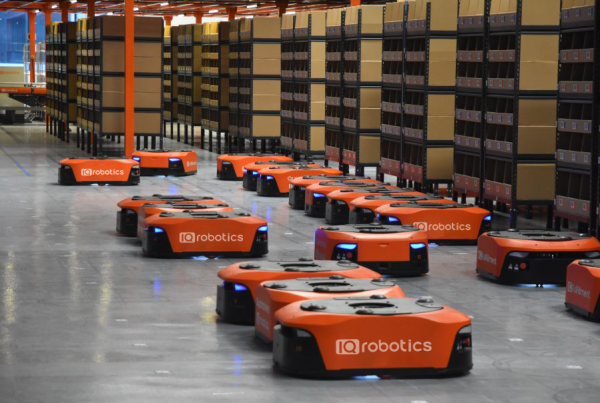
7. IQ Robotics: Warehouse Robotics and Intelligent Fulfillment
IQ Robotics is a UAE-based company operating in the warehouse robotics and automation sector.
Unlike providers focused primarily on factory production equipment, warehouse automation specialists address challenges associated with inventory movement, storage, order processing, and fulfillment operations.
Warehouses frequently manage changing order volumes, large product ranges, and demanding delivery schedules.
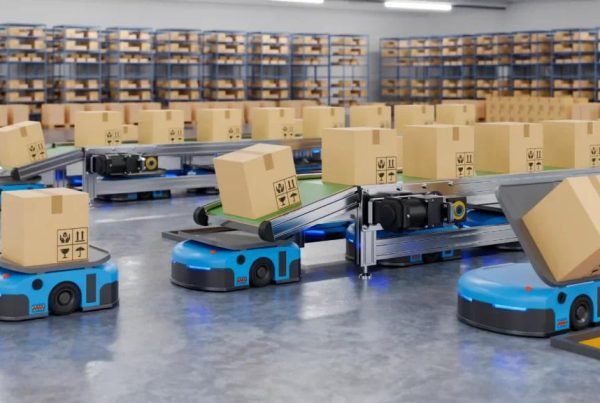
Robotics-based systems can support these activities by automating selected material handling and transportation tasks.
For businesses evaluating robotic solutions, the important consideration is how technology fits into existing warehouse processes.
Automation may involve mobile robots, warehouse software, and coordinated workflows, depending on operational requirements.
IQ Robotics represents the growing role of specialized providers within the broader industrial automation ecosystem.
What Technologies Are Driving the Future of Industrial Automation?
Top automation companies continue to develop technologies that make industrial operations more connected, flexible, and data-driven.
Understanding these technologies helps businesses identify practical opportunities for improvement.
Artificial Intelligence and Machine Learning
Artificial intelligence can support automation by analyzing operational data, identifying patterns, and assisting with decision-making.
In manufacturing, AI-based tools may help identify unusual equipment behavior or support predictive maintenance.
In warehouses, intelligent software can assist with order allocation, inventory planning, and workflow optimization.
However, AI does not replace the need for reliable data, properly designed processes, or human oversight.
Autonomous Mobile Robots
Autonomous mobile robots, commonly called AMRs, navigate operational environments using sensors, mapping technologies, and navigation software.
They are increasingly relevant to facilities where goods must move between different locations.
Unlike some traditional guided systems, AMRs can adjust their routes according to their navigation capabilities and environmental conditions.
Their practical value depends on warehouse layout, traffic patterns, safety systems, and software integration.
Industrial Internet of Things (IIoT)
The Industrial Internet of Things connects equipment, sensors, and software systems to collect and exchange operational information.
Connected machinery can provide data about performance, operating conditions, and equipment status.
This information helps businesses understand how industrial processes are functioning.
When properly analyzed, it can support maintenance planning, production monitoring, and resource management.
Digital Twins and Simulation
Digital twins are digital representations of physical equipment, processes, or systems.
They can help organizations examine operational behavior, test changes, and evaluate possible improvements.
For example, a manufacturer may use simulation software to study production flow before modifying equipment arrangements.
Similarly, warehouse operators can evaluate layout changes or material movement patterns before implementing physical adjustments.
How Are Automation Companies Transforming Different Industries?
Automation is not limited to one industry. Its applications vary according to operational challenges, safety requirements, and business objectives.
Manufacturing: Industrial robots, automated assembly systems, and connected machinery can support consistent production and process monitoring.
Warehousing and logistics: Mobile robots, automated storage systems, and sorting technologies can improve material movement and order fulfillment.
Healthcare and pharmaceuticals: Automation supports selected laboratory, storage, packaging, and distribution activities where accuracy and traceability are important.
Food and beverage: Automated systems can assist with packaging, sorting, handling, and production monitoring while supporting consistent processes.
Retail and e-commerce: Fulfillment automation helps businesses manage inventory movement and prepare customer orders during periods of fluctuating demand.
Each application requires careful planning. A solution designed for automotive manufacturing may not be appropriate for pharmaceutical distribution or an e-commerce warehouse.
How to Choose the Right Automation Company for Your Business
Selecting an automation partner involves evaluating both technical capabilities and long-term operational requirements.
Identify Your Main Operational Challenges
Businesses should begin by understanding which activities create the greatest delays, costs, or inefficiencies.
Common challenges include repetitive material handling, inaccurate inventory records, production interruptions, and limited processing capacity.
Clearly identifying these problems helps businesses avoid investing in technology that does not address their priorities.
Evaluate Industry Experience and Technical Capabilities
Automation providers often specialize in particular technologies or industries.
Some focus on industrial robotics, while others concentrate on warehouse automation, process control, or software integration.
Businesses should evaluate whether a provider understands their operational environment and can support the required applications.
Consider Software Integration and Scalability
Automation equipment must often communicate with existing business systems.
For warehouses, this may include warehouse management systems and enterprise resource planning platforms.
Manufacturing facilities may require integration with production control software and monitoring systems.
Scalability is equally important because operational requirements can change over time.
Understand the Total Cost of Ownership
Automation investments involve more than purchasing equipment.
Businesses should consider installation, integration, maintenance, training, technical support, and potential infrastructure modifications.
A realistic financial assessment should compare these expenses with expected improvements in productivity, consistency, and operational capacity.
What Does the Future Hold for Automation Companies?
The future of industrial automation will likely involve closer integration between robotics, intelligent software, connected equipment, and human expertise.
Automation systems are becoming more adaptable, allowing businesses to consider applications that were previously difficult to automate.
Advances in machine vision may improve robotic object handling, while intelligent scheduling systems could help coordinate increasingly complex operations.
Businesses are also paying greater attention to cybersecurity, employee training, equipment reliability, and responsible technology implementation.
For the top automation companies, long-term success will depend on delivering solutions that solve measurable business problems rather than simply introducing more advanced machinery.
Wrapping Up: Building a Smarter Future With Industrial Automation
Top automation companies are influencing how modern industries approach manufacturing, logistics, warehouse operations, and digital transformation.
Organizations such as Siemens, ABB, Rockwell Automation, Schneider Electric, FANUC, Honeywell, and IQ Robotics illustrate the range of technologies and specializations available in the automation market.
While some providers focus on factory automation and industrial control, others concentrate on warehouse robotics and fulfillment operations.
There is no single automation solution suitable for every business.
The most effective approach begins with understanding operational challenges, selecting appropriate technologies, and ensuring that employees and systems can work together effectively.
As industries continue to evolve, businesses that approach automation strategically will be better prepared to improve efficiency, adapt to changing demands, and support sustainable operational growth.
Frequently Asked Questions
1. What services do industrial automation companies provide?
Industrial automation companies provide technologies such as robotic systems, programmable controllers, monitoring software, automated material handling equipment, and industrial integration services. Their offerings vary according to industry specialization.
2. How do automation companies help businesses improve efficiency?
Automation companies help businesses reduce repetitive manual tasks, standardize selected processes, improve operational visibility, and coordinate equipment and software. The results depend on system design and implementation.
3. How can businesses select the best automation company?
Businesses should evaluate industry experience, technical capabilities, integration requirements, scalability, implementation costs, maintenance support, and expected operational benefits before selecting an automation provider.
4. What is the difference between industrial automation and warehouse automation?
Industrial automation is a broad category covering automated production, process control, and equipment management. Warehouse automation focuses specifically on storage, inventory movement, picking, sorting, and order fulfillment.
5. What role does AI play in modern automation?
Artificial intelligence can support automation through data analysis, machine vision, predictive maintenance, scheduling, and process optimization. It is most effective when combined with reliable systems and clearly defined operational objectives.