
Why Technology Is the Backbone of Modern Fulfillment Centers
E-commerce growth has changed how fulfillment centers operate. Customers expect fast delivery, accurate orders, and real-time updates – standards that traditional warehouses often struggle to meet at scale.
Earlier, warehouses relied heavily on manual processes. Workers handled picking, sorting, and inventory tracking. This approach worked at low volumes, but as the order volumes increased, delays, mis-picks, and inefficiencies became more frequent.
Today, fulfillment centers are powered by advanced systems. Technology ensures speed, accuracy, and consistency. It reduces dependency on manual work and supports scalable operations.
Modern facilities use robotics, automation, and software to manage workflows. These systems work together to handle high-order volumes without bottlenecks. In fact, according to Deloitte, warehouses that implement advanced automation can improve operational efficiency by up to 30%, highlighting the growing importance of technology in fulfillment.
This shift has made technology the backbone of fulfillment operations.
Robotics and Automation Systems in Fulfillment Centers
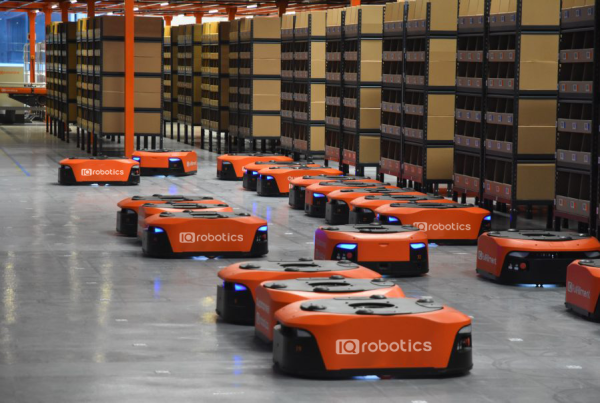
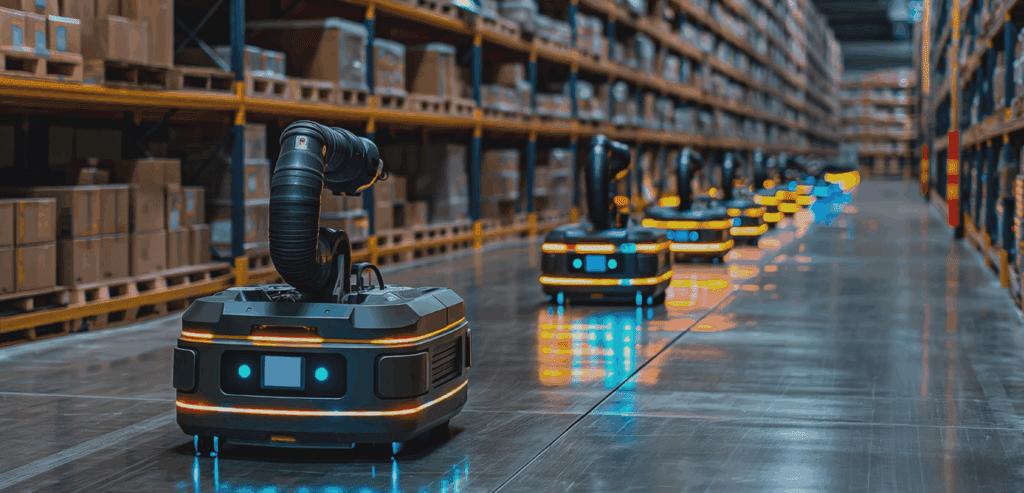
Robotics plays a central role in modern fulfillment centers. Warehouse robots handle repetitive tasks with precision – picking items, sorting packages, and moving goods across the facility.
Automated sortation systems further improve efficiency by routing orders to the correct destination quickly. This reduces delays and minimizes manual intervention.
Robotic handling equipment ensures consistent performance. It works around the clock without fatigue, making it especially valuable during peak demand periods when manual systems tend to slow down.
Many industrial automation companies in Dubai are focusing on robotic solutions to improve warehouse efficiency. These systems reduce human error and increase throughput.
By using robotics, fulfillment centers can scale operations without significantly increasing labor costs. This makes automation a key driver of growth.
Conveyor and Material Handling Technologies
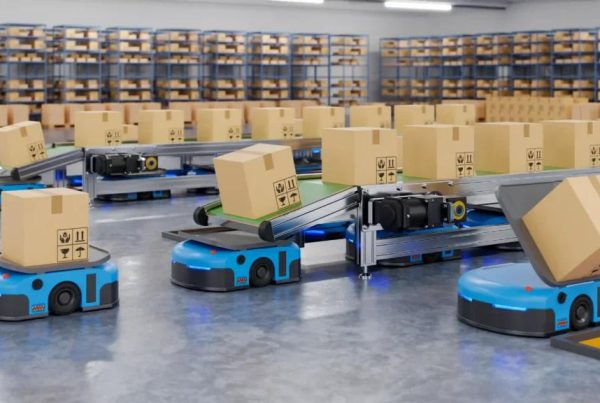
Conveyor systems are essential for moving goods across different zones. They create a continuous flow of products within the warehouse.
Powered roller conveyors and automated routing systems guide items efficiently. They reduce the need for manual transport and speed up order processing.
Material handling technologies also help reduce congestion. They ensure that goods move smoothly from one stage to another, avoiding common choke points seen in manual setups.
Automation in material handling minimizes delays and ensures that products reach packing and shipping areas on time.
As fulfillment operations grow, conveyor systems become more critical. They support high-volume processing without disrupting operations.
Software Systems That Coordinate Fulfillment Operations
Software is the brain behind modern fulfillment centers. Warehouse Management Systems (WMS) control and coordinate all activities.
A WMS manages inventory, tracks orders, and assigns tasks. It ensures that every process runs smoothly. Without this layer of coordination, even advanced automation cannot function effectively.
Real-time data exchange is another key feature. Software communicates instantly with robots and machines. This enables quick decision-making and efficient task execution.
Centralized control is important for high-volume operations. It allows managers to monitor performance and identify issues early.
This is also where experienced fulfillment partners like IQ Fulfillment stand out—by combining robust WMS capabilities with real-time visibility, helping brands maintain control without increasing operational complexity.
Many industrial automation companies in Dubai are integrating advanced software with physical systems. This combination improves visibility and operational control.
Data, Sensors, and Real-Time Tracking Technologies
Data plays a critical role in modern fulfillment. Sensors, scanners, and IoT devices provide real-time visibility into operations.
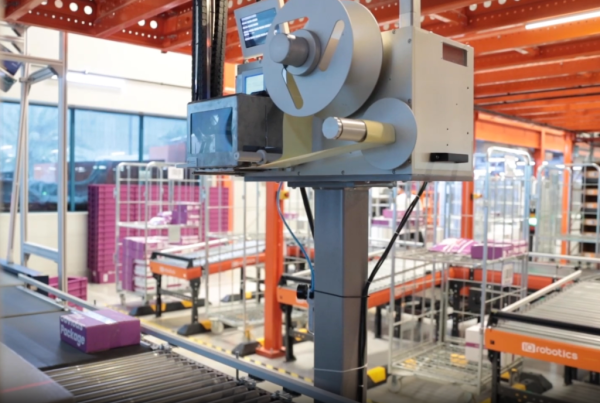
Barcode scanners and RFID systems track inventory accurately, reducing errors and improving stock management.
Sensors monitor equipment performance and workflow conditions, helping prevent breakdowns and delays.
Real-time tracking ensures that every order is visible at each stage, improving transparency and customer satisfaction.
With the rise of warehouse automation technology, fulfillment centers are becoming more data-driven. Businesses can analyze performance and optimize processes continuously.
For example, real-time tracking allows teams to quickly identify slow-moving zones or delays in picking, enabling faster operational adjustments.
Data insights also support better forecasting and inventory planning, leading to more efficient operations overall.
Integration of Technologies for End-to-End Fulfillment
Modern fulfillment centers rely on the integration of multiple technologies. Robotics, conveyors, and software must work together seamlessly.
Integration ensures smooth communication between systems. It eliminates silos and improves workflow coordination.
For example, a robot picks an item. The conveyor moves it to the packing area, and the software updates the inventory in real time. This entire process happens within seconds without manual intervention.
A unified technology stack improves operational efficiency. It reduces errors and enhances productivity.
Many industrial automation companies in Dubai focus on building integrated solutions. These solutions provide end-to-end visibility and control.
When systems are fully integrated, fulfillment centers can handle high volumes with ease. This ensures consistent performance even during peak seasons.
Conclusion
Modern fulfillment centers are powered by a combination of robotics, automation, and intelligent software. These technologies work together to deliver speed, accuracy, and scalability.
They reduce manual effort, improve efficiency, and support high-volume operations. Businesses can meet growing customer expectations with confidence.
Investing in the right technologies is no longer optional. It is essential for long-term e-commerce success.
As fulfillment continues to evolve, companies that adopt advanced integrated systems will be better positioned to stay competitive and scale sustainability.
FAQs
What is the most important technology in a modern fulfillment center?
There is no single most important technology. Robotics, software systems, and data tools all play critical roles. Their integration is what drives efficiency.
How do robotics and software systems work together in fulfillment?
Software assigns tasks and coordinates workflows. Robots execute these tasks. Real-time communication ensures smooth operations.
Can modern fulfillment technologies be added to existing warehouses?
Yes. Many technologies are modular. Businesses can gradually upgrade their facilities without full replacement.
How do these technologies improve order accuracy and delivery speed?
Automation reduces human error and speeds up processes. Real-time tracking ensures accurate handling and faster delivery.