
Why Industrial Automation Is Becoming Essential in Logistics
Growing order volumes, labor constraints, and rising delivery expectations are pushing logistics operations toward automation.
Logistics today is far more complex than it was a decade ago. Ecommerce growth has increased order frequency, reduced delivery windows, and introduced new fulfillment models like same-day delivery.
Rising complexity in logistics operations
- Multi-channel order fulfillment
- High SKU variability
- Faster turnaround expectations
Managing all this manually creates operational strain. Even well-trained teams struggle to maintain consistency at scale.
Limitations of manual logistics systems
Manual processes often lead to:
- Slower processing times
- Higher error rates
- Increased dependency on labor availability
Labor shortages and rising costs further complicate the situation. This is where automation becomes not just helpful, but necessary.
How automation changes the game
Industrial automation introduces:
- Faster execution of repetitive tasks
- Improved accuracy in operations
- Consistent performance regardless of demand
Many businesses exploring industrial automation companies in Dubai are adopting these systems to stay competitive in a fast-moving logistics landscape.
What Is Industrial Automation in Logistics?
Industrial automation in logistics refers to the use of machines, control systems, and software to perform logistics tasks with minimal human intervention.
Instead of relying heavily on manual labor, automated systems handle repetitive and time-sensitive processes.
Automation vs robotics: understanding the difference
- Automation focuses on system-driven processes
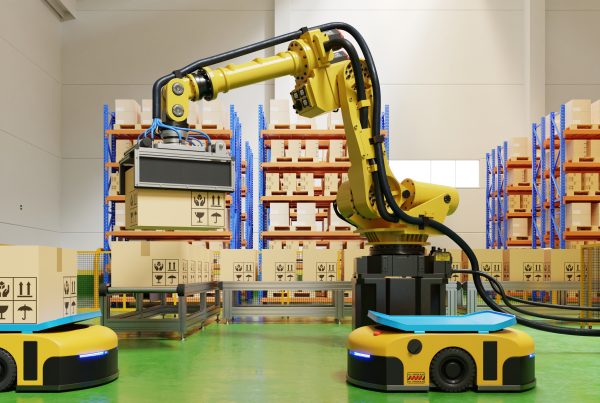
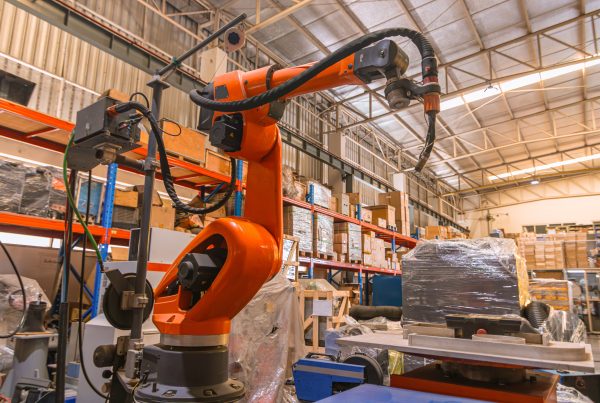
- Robotics involves programmable machines performing tasks
Not all automation requires robots. Many systems rely on conveyors, sensors, and control logic to function efficiently.
Where automation fits in logistics
Industrial automation is commonly used in:
- Warehouses
- Distribution centers
- Fulfillment hubs
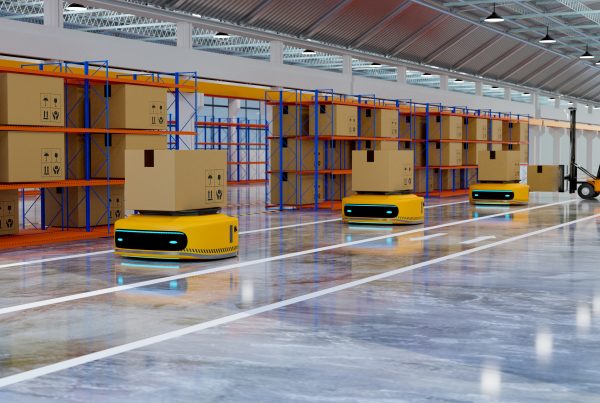
It connects various processes like picking, sorting, and dispatching into a seamless workflow.
Companies with advanced automation technologies are helping logistics businesses integrate automation into their operations without disrupting existing systems.
Core Components of Industrial Automation Systems
Industrial automation systems rely on a combination of hardware and software working together.
1. Automated machinery and equipment
This includes:
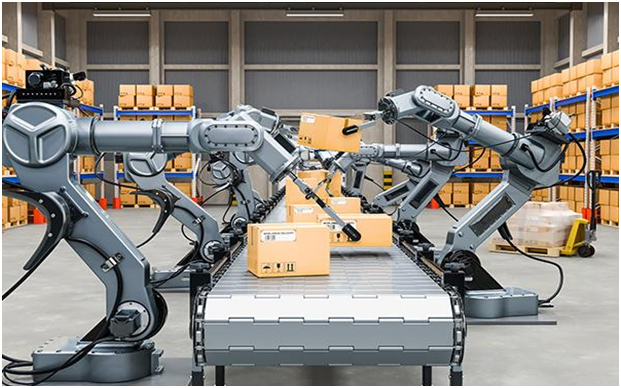
- Conveyors
- Sortation systems
- Automated storage and retrieval systems (AS/RS)
These machines handle physical movement and the processing of goods.
2. Control systems and sensors
Control systems ensure everything runs smoothly.
Key components include:
- Programmable Logic Controllers (PLCs)
- Sensors for tracking movement and position
- Scanners for identifying products
These systems make real-time decisions based on data inputs.
3. Software and system coordination
Software acts as the brain of automation.
It helps:
- Coordinate workflows
- Track inventory
- Optimize routing and processing
When combined, these components create a fully synchronized logistics operation.
Common Logistics Processes Automated Today
Automation is no longer limited to large-scale operations. Many everyday logistics tasks are now automated.
Picking, sorting, and conveying
Automation speeds up order handling by:
- Reducing manual picking errors
- Improving sorting accuracy
- Ensuring continuous material flow
Inventory movement and storage
Systems like AS/RS optimize storage by:
- Maximizing vertical space
- Reducing retrieval time
- Maintaining inventory accuracy
Packaging and order routing
Automation also handles:
- Labeling packages
- Packing items
- Routing orders to shipping zones
Businesses working with industrial automation companies in Dubai are increasingly implementing these solutions to streamline fulfillment workflows.
Benefits of Industrial Automation for Logistics Operations
Industrial automation delivers measurable improvements across logistics operations.
1. Improved efficiency and throughput
Automated systems process tasks faster than manual operations. This leads to higher output with the same or fewer resources.
2. Reduced errors and downtime
Automation minimizes human errors, ensuring:
- Accurate order processing
- Fewer returns and rework
Systems also run consistently, reducing downtime caused by fatigue or manual inefficiencies.
3. Better use of space and resources
Automation enables:
- Optimized storage layouts
- Reduced need for large workspaces
- Efficient use of available infrastructure
As a result, warehouses can handle more volume without expanding physical space.
How Industrial Automation Supports Scalable Logistics Growth
Growth in logistics often comes with increased operational complexity. Automation helps manage this growth effectively.
Handling higher volumes efficiently
Automated systems scale without requiring proportional increases in labor. This allows businesses to grow without significantly increasing operational costs.
Adapting to peak demand
Seasonal spikes can overwhelm manual systems. Automation ensures:
- Consistent performance during high demand
- Faster order processing without delays
Building future-ready infrastructure
Automation prepares businesses for:
- Increased ecommerce demand
- Changing customer expectations
- Integration with advanced technologies
Interestingly, searches around industrial automation in Dubai reflect how rapidly businesses are shifting toward automation-driven logistics models in emerging markets.
Getting Started with Industrial Automation in Logistics
Adopting automation requires careful planning and a structured approach.
Step 1: Identify automation opportunities
Not all processes need automation. Start with:
- Repetitive tasks
- High-error areas
- Bottleneck operations
Step 2: Choose phased implementation
Instead of full transformation, many businesses opt for phased automation. This allows:
- Lower initial investment
- Easier transition for teams
- Gradual system optimization
Step 3: Focus on integration and planning
Successful automation depends on:
- System compatibility
- Workflow alignment
- Team training and change management
Working with experienced providers, including industrial automation companies in Dubai, ensures smoother implementation and long-term success.
Conclusion
Industrial automation is no longer optional in modern logistics. It is a foundational element of efficient operations.
By automating key processes, businesses can:
- Improve speed and accuracy
- Reduce operational costs
- Scale efficiently
Industrial automation creates a more reliable and future-ready logistics system.
For companies looking to stay competitive, adopting automation is not just a technological upgrade. It is a strategic investment in long-term growth.
FAQs
What is the difference between industrial automation and robotics in logistics?
Industrial automation focuses on system-level process optimization, while robotics involves machines performing specific tasks. Both often work together.
Is industrial automation suitable for small logistics operations?
Yes. Many automation solutions are scalable and can be tailored to smaller operations.
Can automation be added to existing logistics facilities?
In most cases, yes. Many systems are designed to integrate with existing infrastructure.
How long does it take to see benefits from industrial automation?
Benefits such as improved efficiency and reduced errors can often be seen within weeks of implementation.